BPC-157

46.00 $49.00 $

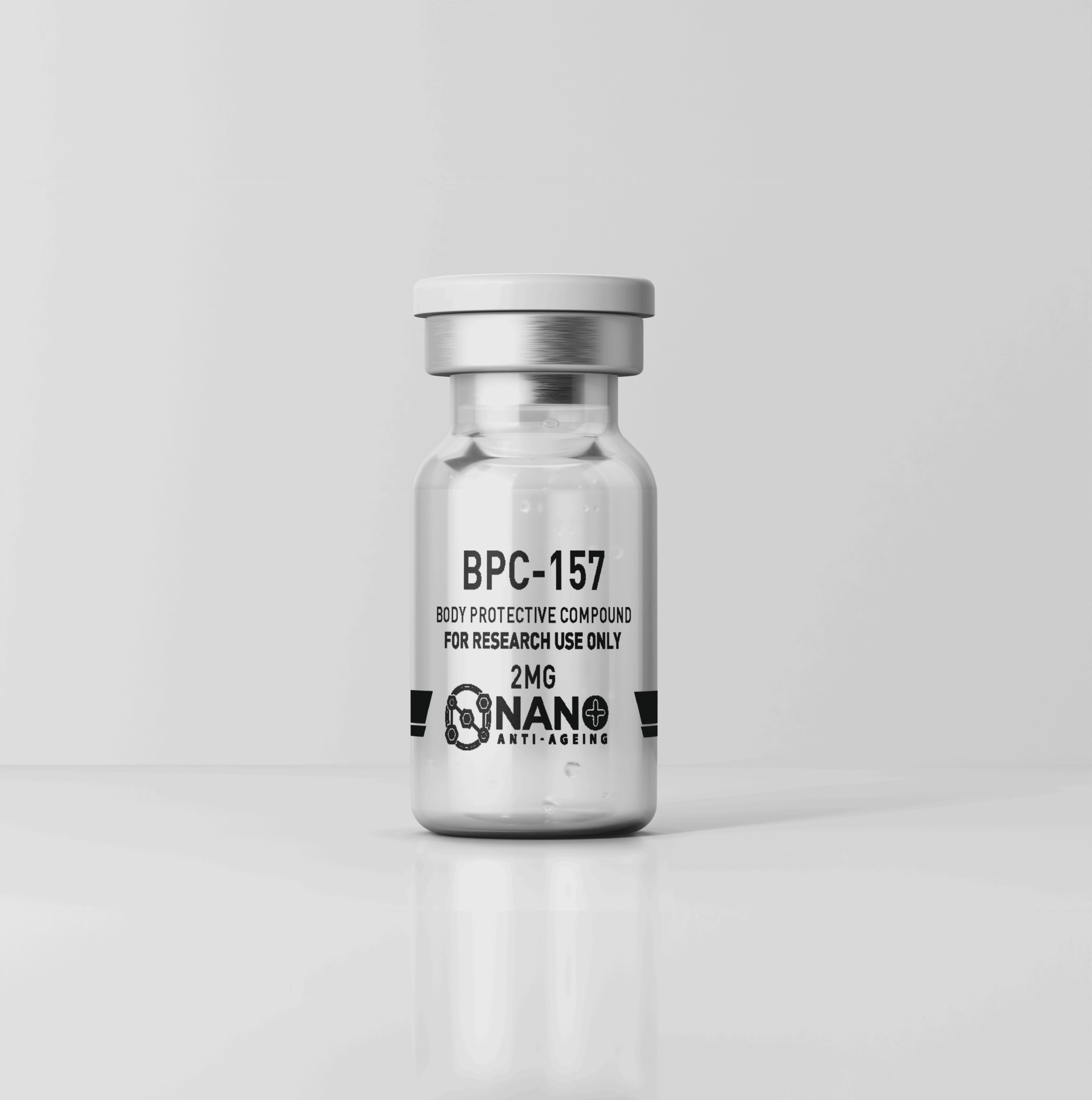
BPC-157, chemically known as pentadecapeptide BPC 157, is a 15-amino acid peptide derived from a protein found in gastric juice. It plays a significant role in various biological processes, particularly in promoting healing and tissue regeneration. Its sequence is Gly-Glu-Pro-Pro-Pro-Gly-Lys-Pro-Ala-Asp-Asp-Ala-Gly-Leu-Val, and it has been extensively studied for its effects on resolving injuries and promoting recovery in several preclinical models.

Research has indicated that BPC 157 accelerates wound healing in various tissues, including muscles, tendons, and bones (Vasireddi et al., 2025; , (Starešinić et al., 2006; , Cerovečki et al., 2010; , Krivić et al., 2006). In models like transected Achilles tendons and quadriceps injuries in rats, BPC 157 has demonstrated beneficial effects by enhancing tissue repair and reducing inflammation (Starešinić et al., 2006; , Krivić et al., 2006). The peptide also aids in the formation of new blood vessels (angiogenesis), which is crucial for delivering nutrients and oxygen to healing tissues (Chang et al., 2011; , Japjec et al., 2021). Furthermore, its role in modulating the nitric oxide signaling pathway is critical for its protective effects on vasomotor functions and overall tissue health (Sikirić et al., 2025; , Hsieh et al., 2020).

The healing properties of BPC 157 extend beyond muscle and tendon injuries. For instance, it has been shown to reduce inflammatory bowel disease mechanisms and improve outcomes in colitis models by lowering myeloperoxidase activity in colonic tissue (Ðuzel et al., 2017; , Kliček et al., 2008). Additionally, its use in treating skin injuries and anastomoses has demonstrated significant improvements in healing and reduced scar formation, highlighting its multifaceted role in tissue repair (Bajramagić et al., 2024; , Novinščak et al., 2008).

BPC 157 also possesses a protective effect against gastrointestinal damage induced by non-steroidal anti-inflammatory drugs (NSAIDs) and contributes to overall mucosal healing (Sikirić et al., 2012). Its anti-apoptotic properties and ability to counteract oxidative stress suggest potential applications in neuroprotection and stress-induced gastric mucosal injuries, with implications for both gastrointestinal health and central nervous system disorders (Jagić et al., 1997; , Sikirić et al., 2016).

The peptide’s safety profile is notable, with studies indicating that it does not elicit significant toxic responses, which reinforces its utility as a therapeutic agent in healing and recovery contexts (Bajramagić et al., 2024; , He et al., 2022). Its well-documented pharmacokinetics support effective usage in various experimental settings, underpinning ongoing research into its broad therapeutic potential across different tissues and organ systems (Perović et al., 2019; , He et al., 2022).

Overall, BPC 157 represents a promising therapeutic candidate due to its diverse biological actions that facilitate healing and its ability to promote recovery in various injury models.

References:
Bajramagić, S., Sever, M., Rašić, F., Starešinić, M., Škrtić, A., Orešković, L., … & Sikirić, P. (2024). Stable gastric pentadecapeptide bpc 157 and intestinal anastomoses therapy in rats—a review. Pharmaceuticals, 17(8), 1081. https://doi.org/10.3390/ph17081081
Cerovečki, T., Bojanić, I., Brčić, L., Radić, B., Vukoja, I., Seiwerth, S., … & Sikirić, P. (2010). Pentadecapeptide bpc 157 (pl 14736) improves ligament healing in the rat. Journal of Orthopaedic Research®, 28(9), 1155-1161. https://doi.org/10.1002/jor.21107
Chang, C., Tsai, W., Lin, M., Hsu, Y., & Pang, J. (2011). The promoting effect of pentadecapeptide bpc 157 on tendon healing involves tendon outgrowth, cell survival, and cell migration. Journal of Applied Physiology, 110(3), 774-780. https://doi.org/10.1152/japplphysiol.00945.2010
He, L., Feng, D., Guo, H., Zhou, Y., Li, Z., Zhang, K., … & Li, M. (2022). Pharmacokinetics, distribution, metabolism, and excretion of body-protective compound 157, a potential drug for treating various wounds, in rats and dogs. Frontiers in Pharmacology, 13. https://doi.org/10.3389/fphar.2022.1026182
Hsieh, M., Lee, C., Chueh, H., Chang, G., Huang, H., Lin, Y., … & Pang, J. (2020). Modulatory effects of bpc 157 on vasomotor tone and the activation of src-caveolin-1-endothelial nitric oxide synthase pathway. Scientific Reports, 10(1). https://doi.org/10.1038/s41598-020-74022-y
Jagić, V., Turković, B., Rotkvić, I., Miše, S., Hanževački, M., Gjurašin, M., … & Sumajstorčić, J. (1997). Pentadecapeptide bpc 157 interactions with adrenergic and dopaminergic systems in mucosal protection in stress. Digestive Diseases and Sciences, 42(3), 661-671. https://doi.org/10.1023/a:1018880000644
Japjec, M., Pavlov, K., Petrović, A., Starešinić, M., Šebečić, B., Buljan, M., … & Sikirić, P. (2021). Stable gastric pentadecapeptide bpc 157 as a therapy for the disable myotendinous junctions in rats. Biomedicines, 9(11), 1547. https://doi.org/10.3390/biomedicines9111547
Kliček, R., Sever, M., Radić, B., Drmić, D., Kocman, I., Zoričić, I., … & Sikirić, P. (2008). Pentadecapeptide bpc 157, in clinical trials as a therapy for inflammatory bowel disease (pl14736), is effective in the healing of colocutaneous fistulas in rats: role of the nitric oxide-system. Journal of Pharmacological Sciences, 108(1), 7-17. https://doi.org/10.1254/jphs.fp0072161
Krivić, A., Anić, T., Seiwerth, S., Huljev, D., & Sikirić, P. (2006). Achilles detachment in rat and stable gastric pentadecapeptide bpc 157: promoted tendon‐to‐bone healing and opposed corticosteroid aggravation. Journal of Orthopaedic Research®, 24(5), 982-989. https://doi.org/10.1002/jor.20096
Novinščak, T., Brčić, L., Starešinić, M., Jukić, I., Radić, B., Pevec, D., … & Sikirić, P. (2008). Gastric pentadecapeptide bpc 157 as an effective therapy for muscle crush injury in the rat. Surgery Today, 38(8), 716-725. https://doi.org/10.1007/s00595-007-3706-2
Perović, D., Kolenc, D., Bilić, V., Somun, N., Drmić, D., Elabjer, E., … & Sikirić, P. (2019). Stable gastric pentadecapeptide bpc 157 can improve the healing course of spinal cord injury and lead to functional recovery in rats. Journal of Orthopaedic Surgery and Research, 14(1). https://doi.org/10.1186/s13018-019-1242-6
Sikirić, P., Seiwerth, S., Ručman, R., Kolenc, D., Vuletić, L., Drmić, D., … & Vlainić, J. (2016). Brain-gut axis and pentadecapeptide bpc 157: theoretical and practical implications. Current Neuropharmacology, 14(8), 857-865. https://doi.org/10.2174/1570159×13666160502153022
Sikirić, P., Seiwerth, S., Ručman, R., Turković, B., Rokotov, D., Brčić, L., … & Šebečić, B. (2012). Toxicity by nsaids. counteraction by stable gastric pentadecapeptide bpc 157. Current Pharmaceutical Design, 19(1), 76-83. https://doi.org/10.2174/1381612811306010076
Sikirić, P., Seiwerth, S., Škrtić, A., Starešinić, M., Štrbe, S., Vukšić, A., … & Dobrić, I. (2025). Bpc 157 therapy: targeting angiogenesis and nitric oxide’s cytotoxic and damaging actions, but maintaining, promoting, or recovering their essential protective functions. comment on józwiak et al. multifunctionality and possible medical application of the bpc 157 peptide—literature and patent review. pharmaceuticals 2025, 18, 185. Pharmaceuticals, 18(10), 1450. https://doi.org/10.3390/ph18101450
Starešinić, M., Petrović, I., Novinščak, T., Jukić, I., Pevec, D., Suknaić, S., … & Sikirić, P. (2006). Effective therapy of transected quadriceps muscle in rat: gastric pentadecapeptide bpc 157. Journal of Orthopaedic Research®, 24(5), 1109-1117. https://doi.org/10.1002/jor.20089
Vasireddi, N., Hahamyan, H., Salata, M., Karns, M., Calcei, J., Voos, J., … & Apostolakos, J. (2025). Emerging use of bpc-157 in orthopaedic sports medicine: a systematic review. HSS Journal® the Musculoskeletal Journal of Hospital for Special Surgery, 21(4), 485-495. https://doi.org/10.1177/15563316251355551
Ðuzel, A., Vlainić, J., Antunović, M., Malekinušić, D., Vrdoljak, B., Samara, M., … & Sikirić, P. (2017). Stable gastric pentadecapeptide bpc 157 in the treatment of colitis and ischemia and reperfusion in rats: new insights. World Journal of Gastroenterology, 23(48), 8465-8488. https://doi.org/10.3748/wjg.v23.i48.8465

BPC-157, chemically known as pentadecapeptide BPC 157, is a 15-amino acid peptide derived from a protein found in gastric juice. It plays a significant role in various biological processes, particularly in promoting healing and tissue regeneration. Its sequence is Gly-Glu-Pro-Pro-Pro-Gly-Lys-Pro-Ala-Asp-Asp-Ala-Gly-Leu-Val, and it has been extensively studied for its effects on resolving injuries and promoting recovery in several preclinical models.

Research has indicated that BPC 157 accelerates wound healing in various tissues, including muscles, tendons, and bones (Vasireddi et al., 2025; , (Starešinić et al., 2006; , Cerovečki et al., 2010; , Krivić et al., 2006). In models like transected Achilles tendons and quadriceps injuries in rats, BPC 157 has demonstrated beneficial effects by enhancing tissue repair and reducing inflammation (Starešinić et al., 2006; , Krivić et al., 2006). The peptide also aids in the formation of new blood vessels (angiogenesis), which is crucial for delivering nutrients and oxygen to healing tissues (Chang et al., 2011; , Japjec et al., 2021). Furthermore, its role in modulating the nitric oxide signaling pathway is critical for its protective effects on vasomotor functions and overall tissue health (Sikirić et al., 2025; , Hsieh et al., 2020).

The healing properties of BPC 157 extend beyond muscle and tendon injuries. For instance, it has been shown to reduce inflammatory bowel disease mechanisms and improve outcomes in colitis models by lowering myeloperoxidase activity in colonic tissue (Ðuzel et al., 2017; , Kliček et al., 2008). Additionally, its use in treating skin injuries and anastomoses has demonstrated significant improvements in healing and reduced scar formation, highlighting its multifaceted role in tissue repair (Bajramagić et al., 2024; , Novinščak et al., 2008).

BPC 157 also possesses a protective effect against gastrointestinal damage induced by non-steroidal anti-inflammatory drugs (NSAIDs) and contributes to overall mucosal healing (Sikirić et al., 2012). Its anti-apoptotic properties and ability to counteract oxidative stress suggest potential applications in neuroprotection and stress-induced gastric mucosal injuries, with implications for both gastrointestinal health and central nervous system disorders (Jagić et al., 1997; , Sikirić et al., 2016).

The peptide’s safety profile is notable, with studies indicating that it does not elicit significant toxic responses, which reinforces its utility as a therapeutic agent in healing and recovery contexts (Bajramagić et al., 2024; , He et al., 2022). Its well-documented pharmacokinetics support effective usage in various experimental settings, underpinning ongoing research into its broad therapeutic potential across different tissues and organ systems (Perović et al., 2019; , He et al., 2022).

Overall, BPC 157 represents a promising therapeutic candidate due to its diverse biological actions that facilitate healing and its ability to promote recovery in various injury models.

References:
Bajramagić, S., Sever, M., Rašić, F., Starešinić, M., Škrtić, A., Orešković, L., … & Sikirić, P. (2024). Stable gastric pentadecapeptide bpc 157 and intestinal anastomoses therapy in rats—a review. Pharmaceuticals, 17(8), 1081. https://doi.org/10.3390/ph17081081
Cerovečki, T., Bojanić, I., Brčić, L., Radić, B., Vukoja, I., Seiwerth, S., … & Sikirić, P. (2010). Pentadecapeptide bpc 157 (pl 14736) improves ligament healing in the rat. Journal of Orthopaedic Research®, 28(9), 1155-1161. https://doi.org/10.1002/jor.21107
Chang, C., Tsai, W., Lin, M., Hsu, Y., & Pang, J. (2011). The promoting effect of pentadecapeptide bpc 157 on tendon healing involves tendon outgrowth, cell survival, and cell migration. Journal of Applied Physiology, 110(3), 774-780. https://doi.org/10.1152/japplphysiol.00945.2010
He, L., Feng, D., Guo, H., Zhou, Y., Li, Z., Zhang, K., … & Li, M. (2022). Pharmacokinetics, distribution, metabolism, and excretion of body-protective compound 157, a potential drug for treating various wounds, in rats and dogs. Frontiers in Pharmacology, 13. https://doi.org/10.3389/fphar.2022.1026182
Hsieh, M., Lee, C., Chueh, H., Chang, G., Huang, H., Lin, Y., … & Pang, J. (2020). Modulatory effects of bpc 157 on vasomotor tone and the activation of src-caveolin-1-endothelial nitric oxide synthase pathway. Scientific Reports, 10(1). https://doi.org/10.1038/s41598-020-74022-y
Jagić, V., Turković, B., Rotkvić, I., Miše, S., Hanževački, M., Gjurašin, M., … & Sumajstorčić, J. (1997). Pentadecapeptide bpc 157 interactions with adrenergic and dopaminergic systems in mucosal protection in stress. Digestive Diseases and Sciences, 42(3), 661-671. https://doi.org/10.1023/a:1018880000644
Japjec, M., Pavlov, K., Petrović, A., Starešinić, M., Šebečić, B., Buljan, M., … & Sikirić, P. (2021). Stable gastric pentadecapeptide bpc 157 as a therapy for the disable myotendinous junctions in rats. Biomedicines, 9(11), 1547. https://doi.org/10.3390/biomedicines9111547
Kliček, R., Sever, M., Radić, B., Drmić, D., Kocman, I., Zoričić, I., … & Sikirić, P. (2008). Pentadecapeptide bpc 157, in clinical trials as a therapy for inflammatory bowel disease (pl14736), is effective in the healing of colocutaneous fistulas in rats: role of the nitric oxide-system. Journal of Pharmacological Sciences, 108(1), 7-17. https://doi.org/10.1254/jphs.fp0072161
Krivić, A., Anić, T., Seiwerth, S., Huljev, D., & Sikirić, P. (2006). Achilles detachment in rat and stable gastric pentadecapeptide bpc 157: promoted tendon‐to‐bone healing and opposed corticosteroid aggravation. Journal of Orthopaedic Research®, 24(5), 982-989. https://doi.org/10.1002/jor.20096
Novinščak, T., Brčić, L., Starešinić, M., Jukić, I., Radić, B., Pevec, D., … & Sikirić, P. (2008). Gastric pentadecapeptide bpc 157 as an effective therapy for muscle crush injury in the rat. Surgery Today, 38(8), 716-725. https://doi.org/10.1007/s00595-007-3706-2
Perović, D., Kolenc, D., Bilić, V., Somun, N., Drmić, D., Elabjer, E., … & Sikirić, P. (2019). Stable gastric pentadecapeptide bpc 157 can improve the healing course of spinal cord injury and lead to functional recovery in rats. Journal of Orthopaedic Surgery and Research, 14(1). https://doi.org/10.1186/s13018-019-1242-6
Sikirić, P., Seiwerth, S., Ručman, R., Kolenc, D., Vuletić, L., Drmić, D., … & Vlainić, J. (2016). Brain-gut axis and pentadecapeptide bpc 157: theoretical and practical implications. Current Neuropharmacology, 14(8), 857-865. https://doi.org/10.2174/1570159×13666160502153022
Sikirić, P., Seiwerth, S., Ručman, R., Turković, B., Rokotov, D., Brčić, L., … & Šebečić, B. (2012). Toxicity by nsaids. counteraction by stable gastric pentadecapeptide bpc 157. Current Pharmaceutical Design, 19(1), 76-83. https://doi.org/10.2174/1381612811306010076
Sikirić, P., Seiwerth, S., Škrtić, A., Starešinić, M., Štrbe, S., Vukšić, A., … & Dobrić, I. (2025). Bpc 157 therapy: targeting angiogenesis and nitric oxide’s cytotoxic and damaging actions, but maintaining, promoting, or recovering their essential protective functions. comment on józwiak et al. multifunctionality and possible medical application of the bpc 157 peptide—literature and patent review. pharmaceuticals 2025, 18, 185. Pharmaceuticals, 18(10), 1450. https://doi.org/10.3390/ph18101450
Starešinić, M., Petrović, I., Novinščak, T., Jukić, I., Pevec, D., Suknaić, S., … & Sikirić, P. (2006). Effective therapy of transected quadriceps muscle in rat: gastric pentadecapeptide bpc 157. Journal of Orthopaedic Research®, 24(5), 1109-1117. https://doi.org/10.1002/jor.20089
Vasireddi, N., Hahamyan, H., Salata, M., Karns, M., Calcei, J., Voos, J., … & Apostolakos, J. (2025). Emerging use of bpc-157 in orthopaedic sports medicine: a systematic review. HSS Journal® the Musculoskeletal Journal of Hospital for Special Surgery, 21(4), 485-495. https://doi.org/10.1177/15563316251355551
Ðuzel, A., Vlainić, J., Antunović, M., Malekinušić, D., Vrdoljak, B., Samara, M., … & Sikirić, P. (2017). Stable gastric pentadecapeptide bpc 157 in the treatment of colitis and ischemia and reperfusion in rats: new insights. World Journal of Gastroenterology, 23(48), 8465-8488. https://doi.org/10.3748/wjg.v23.i48.8465

Amount

2MG, 5MG

Reviews

There are no reviews yet.

Be the first to review “BPC-157”

Your email address will not be published. Required fields are marked *

Related Product

0
    Your Cart
    Your cart is emptyReturn to Shop
    Scroll to Top
    Generic selectors
    Exact matches only
    Search in title
    Search in content
    Post Type Selectors