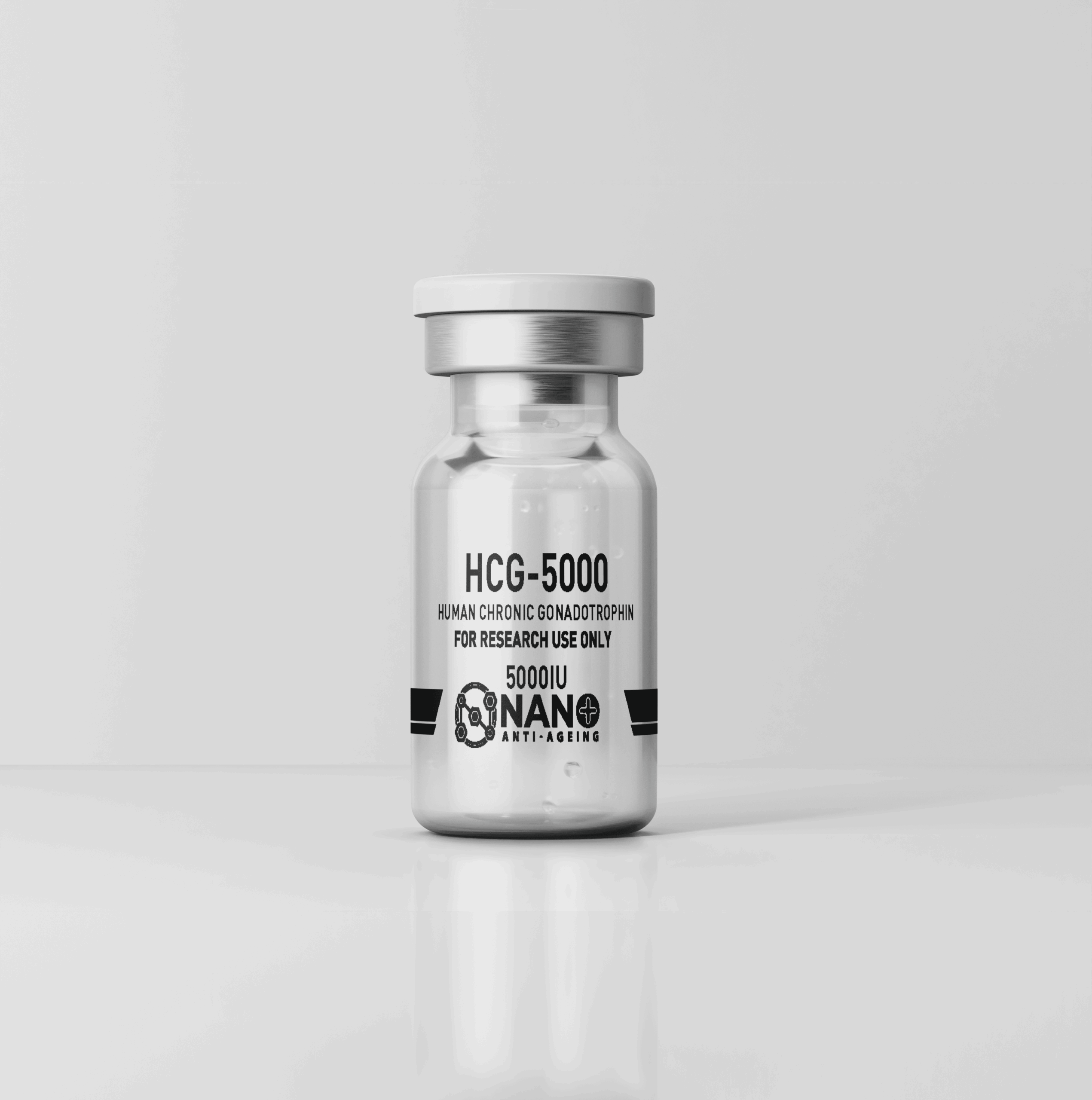
HCG 5000

90.00 $

Human Chorionic Gonadotropin (hCG) is a glycoprotein hormone recognized for its critical roles in reproductive and endocrine functions. It is composed of two subunits: an alpha subunit that is common to other hormones such as luteinizing hormone (LH), and a unique beta subunit that contributes to its specificity and biological activity. Secreted primarily by the placenta during pregnancy, hCG supports the corpus luteum, thereby maintaining progesterone production essential for embryo implantation and gestation (Korevaar et al., 2015).

In the context of fertility treatments, particularly assisted reproductive technologies (ART) like in vitro fertilization (IVF) and intracytoplasmic sperm injection (ICSI), hCG serves an essential role. It is frequently used as an ovulation trigger due to its pharmacological similarity to the natural LH surge. Several studies have demonstrated the efficacy of hCG in improving clinical pregnancy and live birth rates when compared to no treatment or alternative triggers such as GnRH agonists (Xie et al., 2024), Deepika et al., 2020). For instance, a systematic review by Xie et al. found that intrauterine infusion of hCG significantly improves clinical pregnancy and live birth rates among women experiencing recurrent implantation failure (Xie et al., 2024). This indicates that hCG not only induces ovulation but may also enhance conditions for embryo implantation.

Moreover, hCG is increasingly studied for its potential therapeutic applications beyond reproduction. In males with hypogonadotropic hypogonadism, hCG is effective in stimulating endogenous testosterone production and facilitating spermatogenesis. A cohort study indicated that over 80% of males receiving gonadotropin therapy, including hCG, achieved successful spermatogenesis, demonstrating its benefits in treating male infertility (Castro et al., 2025). Furthermore, monotherapy with hCG in men has been associated with significant increases in testosterone levels, reinforcing its role as an important agent in reproductive health (Alexander et al., 2023).

The implications of hCG extend to oncology as well, particularly as a tumor marker in germ cell tumors. The secretion of the β-subunit of hCG from certain neoplasms, such as germinoma, highlights its utility in diagnosing specific malignancies (Madhusoodanan et al., 2019). Hu et al. emphasized the clinical diagnostic value of β-hCG alongside other tumor markers while specifying the need for integrated assays to enhance diagnostic accuracy (Madhusoodanan et al., 2019). This supports the dual role of hCG as both a reproductive hormone and a biomarker in certain cancers.

Lastly, ongoing research continues to explore the molecular mechanisms underlying hCG’s role in cancer biology. Studies indicate that aberrant expression of β-hCG can facilitate tumor growth and metastasis, suggesting its potential as a novel therapeutic target (Hu et al., 2016). This emerging perspective underscores the complexity of hCG’s biological functions and its implications across various fields of medicine.

In conclusion, hCG is a versatile hormone with significant importance in reproductive medicine and potential applications in oncology. Its roles in ovulation induction, reproductive health therapy, and as a tumor marker showcase its multifaceted nature and underscore its value in clinical settings.

References:
Alexander, E., Faruqi, D., Farquhar, R., Unadkat, A., Yin, K., Hoskyns, R., … & Howard, S. (2023). Gonadotropins for pubertal induction in males with hypogonadotropic hypogonadism: systematic review and meta-analysis. European Journal of Endocrinology, 190(1), S1-S11. https://doi.org/10.1093/ejendo/lvad166
Castro, S., Yin, K., d’Aniello, F., Alexander, E., Connolly, E., Hughes, C., … & Howard, S. (2025). Effect of pubertal induction with combined gonadotropin therapy on testes development and spermatogenesis in males with gonadotropin deficiency: a cohort study. Human Reproduction Open, 2025(2). https://doi.org/10.1093/hropen/hoaf026
Deepika, K., Suvarna, R., Sumi, M., Snehal, D., Arveen, V., Anuja, K., … & Rao, K. (2020). Hcg trigger versus gnrh agonist trigger in pcos patients undergoing ivf cycles: frozen embryo transfer outcomes. Jbra Assisted Reproduction. https://doi.org/10.5935/1518-0557.20200028
Hu, M., Guan, H., Lau, C., Terashima, K., Jin, Z., Cui, L., … & Gu, F. (2016). An update on the clinical diagnostic value of β-hcg and αfp for intracranial germ cell tumors. European Journal of Medical Research, 21(1). https://doi.org/10.1186/s40001-016-0204-2
Korevaar, T., Steegers, E., Rijke, Y., Schalekamp–Timmermans, S., Visser, W., Hofman, A., … & Peeters, R. (2015). Reference ranges and determinants of total hcg levels during pregnancy: the generation r study. European Journal of Epidemiology, 30(9), 1057-1066. https://doi.org/10.1007/s10654-015-0039-0
Madhusoodanan, V., Patel, P., Lima, T., Gondokusumo, J., Lo, E., Thirumavalavan, N., … & Ramasamy, R. (2019). Human chorionic gonadotropin monotherapy for the treatment of hypogonadal symptoms in men with total testosterone > 300 ng/dl. International Braz J Urol, 45(5), 1008-1012. https://doi.org/10.1590/s1677-5538.ibju.2019.0132
Xie, Q., Quan, X., Lan, Y., & Yang, X. (2024). Uterine infusion strategies for infertile patients with recurrent implantation failure: a systematic review and network meta-analysis. Reproductive Biology and Endocrinology, 22(1). https://doi.org/10.1186/s12958-024-01221-x

Human Chorionic Gonadotropin (hCG) is a glycoprotein hormone recognized for its critical roles in reproductive and endocrine functions. It is composed of two subunits: an alpha subunit that is common to other hormones such as luteinizing hormone (LH), and a unique beta subunit that contributes to its specificity and biological activity. Secreted primarily by the placenta during pregnancy, hCG supports the corpus luteum, thereby maintaining progesterone production essential for embryo implantation and gestation (Korevaar et al., 2015).

In the context of fertility treatments, particularly assisted reproductive technologies (ART) like in vitro fertilization (IVF) and intracytoplasmic sperm injection (ICSI), hCG serves an essential role. It is frequently used as an ovulation trigger due to its pharmacological similarity to the natural LH surge. Several studies have demonstrated the efficacy of hCG in improving clinical pregnancy and live birth rates when compared to no treatment or alternative triggers such as GnRH agonists (Xie et al., 2024), Deepika et al., 2020). For instance, a systematic review by Xie et al. found that intrauterine infusion of hCG significantly improves clinical pregnancy and live birth rates among women experiencing recurrent implantation failure (Xie et al., 2024). This indicates that hCG not only induces ovulation but may also enhance conditions for embryo implantation.

Moreover, hCG is increasingly studied for its potential therapeutic applications beyond reproduction. In males with hypogonadotropic hypogonadism, hCG is effective in stimulating endogenous testosterone production and facilitating spermatogenesis. A cohort study indicated that over 80% of males receiving gonadotropin therapy, including hCG, achieved successful spermatogenesis, demonstrating its benefits in treating male infertility (Castro et al., 2025). Furthermore, monotherapy with hCG in men has been associated with significant increases in testosterone levels, reinforcing its role as an important agent in reproductive health (Alexander et al., 2023).

The implications of hCG extend to oncology as well, particularly as a tumor marker in germ cell tumors. The secretion of the β-subunit of hCG from certain neoplasms, such as germinoma, highlights its utility in diagnosing specific malignancies (Madhusoodanan et al., 2019). Hu et al. emphasized the clinical diagnostic value of β-hCG alongside other tumor markers while specifying the need for integrated assays to enhance diagnostic accuracy (Madhusoodanan et al., 2019). This supports the dual role of hCG as both a reproductive hormone and a biomarker in certain cancers.

Lastly, ongoing research continues to explore the molecular mechanisms underlying hCG’s role in cancer biology. Studies indicate that aberrant expression of β-hCG can facilitate tumor growth and metastasis, suggesting its potential as a novel therapeutic target (Hu et al., 2016). This emerging perspective underscores the complexity of hCG’s biological functions and its implications across various fields of medicine.

In conclusion, hCG is a versatile hormone with significant importance in reproductive medicine and potential applications in oncology. Its roles in ovulation induction, reproductive health therapy, and as a tumor marker showcase its multifaceted nature and underscore its value in clinical settings.

References:
Alexander, E., Faruqi, D., Farquhar, R., Unadkat, A., Yin, K., Hoskyns, R., … & Howard, S. (2023). Gonadotropins for pubertal induction in males with hypogonadotropic hypogonadism: systematic review and meta-analysis. European Journal of Endocrinology, 190(1), S1-S11. https://doi.org/10.1093/ejendo/lvad166
Castro, S., Yin, K., d’Aniello, F., Alexander, E., Connolly, E., Hughes, C., … & Howard, S. (2025). Effect of pubertal induction with combined gonadotropin therapy on testes development and spermatogenesis in males with gonadotropin deficiency: a cohort study. Human Reproduction Open, 2025(2). https://doi.org/10.1093/hropen/hoaf026
Deepika, K., Suvarna, R., Sumi, M., Snehal, D., Arveen, V., Anuja, K., … & Rao, K. (2020). Hcg trigger versus gnrh agonist trigger in pcos patients undergoing ivf cycles: frozen embryo transfer outcomes. Jbra Assisted Reproduction. https://doi.org/10.5935/1518-0557.20200028
Hu, M., Guan, H., Lau, C., Terashima, K., Jin, Z., Cui, L., … & Gu, F. (2016). An update on the clinical diagnostic value of β-hcg and αfp for intracranial germ cell tumors. European Journal of Medical Research, 21(1). https://doi.org/10.1186/s40001-016-0204-2
Korevaar, T., Steegers, E., Rijke, Y., Schalekamp–Timmermans, S., Visser, W., Hofman, A., … & Peeters, R. (2015). Reference ranges and determinants of total hcg levels during pregnancy: the generation r study. European Journal of Epidemiology, 30(9), 1057-1066. https://doi.org/10.1007/s10654-015-0039-0
Madhusoodanan, V., Patel, P., Lima, T., Gondokusumo, J., Lo, E., Thirumavalavan, N., … & Ramasamy, R. (2019). Human chorionic gonadotropin monotherapy for the treatment of hypogonadal symptoms in men with total testosterone > 300 ng/dl. International Braz J Urol, 45(5), 1008-1012. https://doi.org/10.1590/s1677-5538.ibju.2019.0132
Xie, Q., Quan, X., Lan, Y., & Yang, X. (2024). Uterine infusion strategies for infertile patients with recurrent implantation failure: a systematic review and network meta-analysis. Reproductive Biology and Endocrinology, 22(1). https://doi.org/10.1186/s12958-024-01221-x

Reviews

There are no reviews yet.

Be the first to review “HCG 5000”

Your email address will not be published. Required fields are marked *

Related Product

0
    Your Cart
    Your cart is emptyReturn to Shop
    Scroll to Top
    Generic selectors
    Exact matches only
    Search in title
    Search in content
    Post Type Selectors