
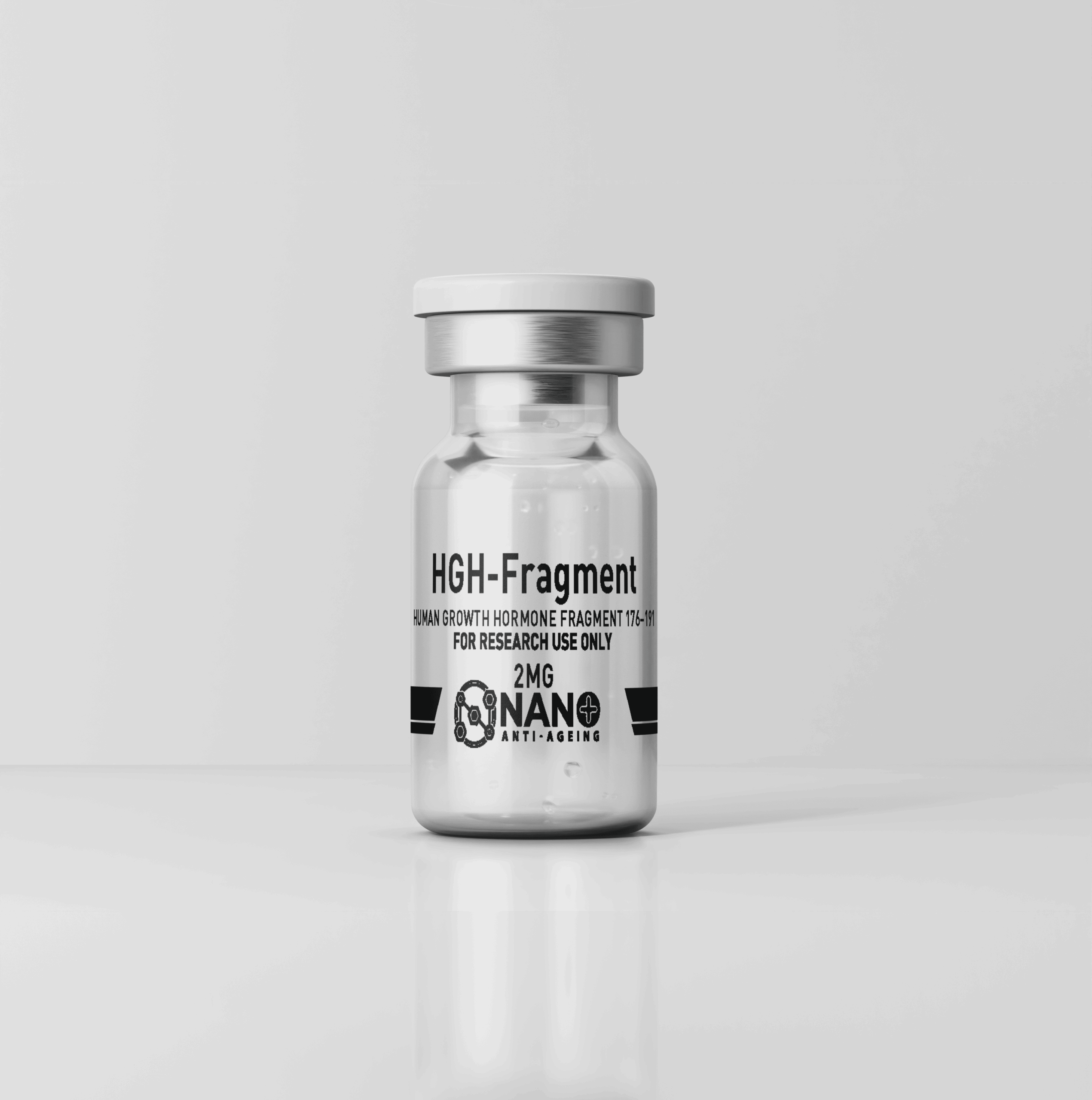
HGH Fragment 176-191, a segment derived from human growth hormone (HGH), comprises amino acid residues 176 to 191 of the HGH molecule. This fragment is notable for its potential therapeutic benefits, particularly in terms of metabolic modulation and fat loss. Unlike full-length human growth hormone, HGH Fragment 176-191 has been shown to exhibit specific effects on adipose tissue metabolism while minimizing unwanted anabolic effects associated with growth hormone.
Research indicates that HGH Fragment 176-191 stimulates lipolysis and inhibits lipogenesis, contributing to fat loss. Its primary mechanism involves the activation of specific receptors that mediate metabolic changes in adipocytes. When administered, this peptide fragment demonstrates a capability to modulate glucose metabolism, likely through interactions that influence pathways similar to those of insulin-like growth factor-1 (IGF-1). This suggests a role in enhancing metabolic health, which could have implications for conditions such as obesity and metabolic syndrome.
Additionally, the fragment’s effects on cellular processes have been documented, although specific pro-apoptotic effects in the context of cancer research remain less defined. HGH Fragment 176-191 appears to influence pathways that may affect cell proliferation and apoptosis, but the mechanisms and implications require further investigation.
Studies show that specific dosing and administration methods can affect the efficacy of HGH Fragment 176-191, indicating a need for refinement in delivery methods for optimal outcomes. This aligns with research on IGF-1, which emphasizes the importance of targeted delivery systems to enhance therapeutic benefits while minimizing side effects.
In summary, HGH Fragment 176-191 represents a potentially significant player in metabolic therapies. Its unique ability to influence fat metabolism and potential role in enhancing overall metabolic health highlights its relevance in ongoing research, particularly within contexts that require precision in metabolic modulation.



Reviews
There are no reviews yet.