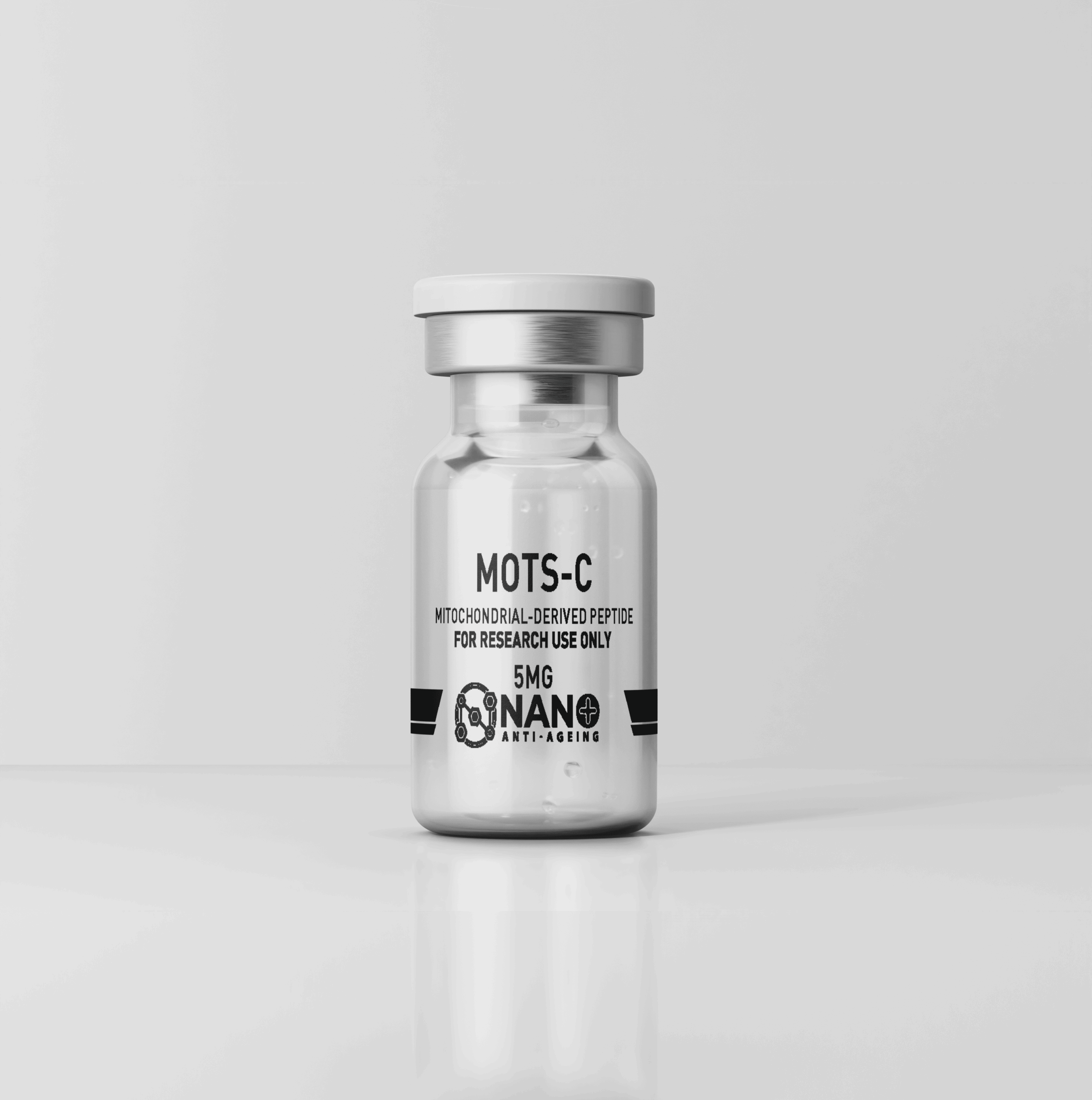
MOTS-c

750.00 $

MOTS-c, known as the mitochondrial open reading frame of the 12S rRNA-c, is a peptide derived from mitochondrial DNA (mtDNA) that plays a crucial role in regulating metabolic homeostasis and insulin sensitivity. Evidence indicates that MOTS-c significantly impacts physiological processes, particularly in the context of metabolic diseases and aging. Specifically, MOTS-c has been shown to stimulate various metabolic pathways and cellular processes.

One of the primary functions of MOTS-c is to enhance insulin sensitivity while regulating lipid and glucose metabolism. Research has identified that MOTS-c activates the AMP-activated protein kinase (AMPK) pathway, which is essential for maintaining cellular energy homeostasis, thereby contributing to metabolic health, especially in individuals developing insulin resistance (Lee et al., 2015; Ramanjaneya et al., 2019). Moreover, the expression of MOTS-c tends to decrease with age, which is associated with age-related metabolic dysfunctions such as obesity, chronic inflammation, and reduced metabolic flexibility (Wan et al., 2023; (Ran et al., 2025; .

In addition to its role in metabolic regulation, studies have highlighted the specific expression patterns of MOTS-c in various muscle fiber types, suggesting potential benefits for physical performance and metabolic responses. This fiber type-specific expression indicates that MOTS-c may influence muscle function and adaptation in response to exercise and aging (Li et al., 2023). Notably, exercise has been shown to elevate MOTS-c levels, indicating its role as an exercise mimetic, potentially improving metabolic outcomes for individuals with conditions like Type 2 diabetes (Li et al., 2022).

Emerging evidence also suggests that MOTS-c may confer cardioprotective effects, particularly in models of diabetic cardiomyopathy. Research indicates that by inhibiting specific pathways associated with cardiac stress responses, MOTS-c promotes cardiac function and resilience in diabetic contexts (Wang et al., 2023; Cataldo et al., 2018). This cardioprotective role is further supported by findings that highlight MOTS-c’s involvement in reducing inflammatory markers and improving mitochondrial health, thus suggesting its potential as a therapeutic candidate for metabolic and cardiovascular diseases (Ran et al., 2025; Guo et al., 2020).

Overall, MOTS-c represents a significant focus within metabolic research, showcasing its diverse roles in enhancing insulin sensitivity, promoting metabolic health, and protecting cardiac function. Its discovery as a mitochondrial-derived peptide marks it as a novel contributor in the regulatory network governing metabolism and aging, with considerable implications for both basic research and potential therapeutic strategies.

References:
Cataldo, L., Fernández‐Verdejo, R., Santos, J., & Galgani, J. (2018). Plasma mots-c levels are associated with insulin sensitivity in lean but not in obese individuals. Journal of Investigative Medicine, 66(6), 1019-1022. https://doi.org/10.1136/jim-2017-000681
Guo, Q., Chang, B., Yu, Q., Xu, S., Yi, X., & Cao, S. (2020). Adiponectin treatment improves insulin resistance in mice by regulating the expression of the mitochondrial-derived peptide mots-c and its response to exercise via appl1–sirt1–pgc-1α. Diabetologia, 63(12), 2675-2688. https://doi.org/10.1007/s00125-020-05269-3
Lee, C., Zeng, J., Drew, B., Sallam, T., Martín‐Montalvo, A., Wan, J., … & Cohen, P. (2015). The mitochondrial-derived peptide mots-c promotes metabolic homeostasis and reduces obesity and insulin resistance. Cell Metabolism, 21(3), 443-454. https://doi.org/10.1016/j.cmet.2015.02.009
Li, C., Li, N., Zhang, Z., Song, Y., Li, J., Wang, Z., … & Zhang, Y. (2023). The specific mitochondrial unfolded protein response in fast- and slow-twitch muscles of high-fat diet-induced insulin-resistant rats. Frontiers in Endocrinology, 14. https://doi.org/10.3389/fendo.2023.1127524
Li, S., Wang, M., Ma, J., Pang, X., Yuan, J., Pan, Y., … & Laher, I. (2022). Mots-c and exercise restore cardiac function by activating of nrg1-erbb signaling in diabetic rats. Frontiers in Endocrinology, 13. https://doi.org/10.3389/fendo.2022.812032
Ramanjaneya, M., Bettahi, I., Jerobin, J., Chandra, P., Khalil, C., Skarulis, M., … & Abou‐Samra, A. (2019). Mitochondrial-derived peptides are down regulated in diabetes subjects. Frontiers in Endocrinology, 10. https://doi.org/10.3389/fendo.2019.00331
Ran, Y., Guo, Z., Zhang, L., Li, H., Zhang, X., Guan, X., … & Cheng, M. (2025). Mitochondria‑derived peptides: promising microproteins in cardiovascular diseases (review). Molecular Medicine Reports, 31(5), 1-17. https://doi.org/10.3892/mmr.2025.13492
Wan, W., Zhang, L., Lin, Y., Rao, X., Wang, X., Hua, F., … & Ying, J. (2023). Mitochondria-derived peptide mots-c: effects and mechanisms related to stress, metabolism and aging. Journal of Translational Medicine, 21(1). https://doi.org/10.1186/s12967-023-03885-2
Wang, M., Wang, G., Pang, X., Ma, J., Yuan, J., Pan, Y., … & Li, S. (2023). Mots-c repairs myocardial damage by inhibiting the ccn1/erk1/2/egr1 pathway in diabetic rats. Frontiers in Nutrition, 9. https://doi.org/10.3389/fnut.2022.1060684


MOTS-c, known as the mitochondrial open reading frame of the 12S rRNA-c, is a peptide derived from mitochondrial DNA (mtDNA) that plays a crucial role in regulating metabolic homeostasis and insulin sensitivity. Evidence indicates that MOTS-c significantly impacts physiological processes, particularly in the context of metabolic diseases and aging. Specifically, MOTS-c has been shown to stimulate various metabolic pathways and cellular processes.

One of the primary functions of MOTS-c is to enhance insulin sensitivity while regulating lipid and glucose metabolism. Research has identified that MOTS-c activates the AMP-activated protein kinase (AMPK) pathway, which is essential for maintaining cellular energy homeostasis, thereby contributing to metabolic health, especially in individuals developing insulin resistance (Lee et al., 2015; Ramanjaneya et al., 2019). Moreover, the expression of MOTS-c tends to decrease with age, which is associated with age-related metabolic dysfunctions such as obesity, chronic inflammation, and reduced metabolic flexibility (Wan et al., 2023; (Ran et al., 2025; .

In addition to its role in metabolic regulation, studies have highlighted the specific expression patterns of MOTS-c in various muscle fiber types, suggesting potential benefits for physical performance and metabolic responses. This fiber type-specific expression indicates that MOTS-c may influence muscle function and adaptation in response to exercise and aging (Li et al., 2023). Notably, exercise has been shown to elevate MOTS-c levels, indicating its role as an exercise mimetic, potentially improving metabolic outcomes for individuals with conditions like Type 2 diabetes (Li et al., 2022).

Emerging evidence also suggests that MOTS-c may confer cardioprotective effects, particularly in models of diabetic cardiomyopathy. Research indicates that by inhibiting specific pathways associated with cardiac stress responses, MOTS-c promotes cardiac function and resilience in diabetic contexts (Wang et al., 2023; Cataldo et al., 2018). This cardioprotective role is further supported by findings that highlight MOTS-c’s involvement in reducing inflammatory markers and improving mitochondrial health, thus suggesting its potential as a therapeutic candidate for metabolic and cardiovascular diseases (Ran et al., 2025; Guo et al., 2020).

Overall, MOTS-c represents a significant focus within metabolic research, showcasing its diverse roles in enhancing insulin sensitivity, promoting metabolic health, and protecting cardiac function. Its discovery as a mitochondrial-derived peptide marks it as a novel contributor in the regulatory network governing metabolism and aging, with considerable implications for both basic research and potential therapeutic strategies.

References:
Cataldo, L., Fernández‐Verdejo, R., Santos, J., & Galgani, J. (2018). Plasma mots-c levels are associated with insulin sensitivity in lean but not in obese individuals. Journal of Investigative Medicine, 66(6), 1019-1022. https://doi.org/10.1136/jim-2017-000681
Guo, Q., Chang, B., Yu, Q., Xu, S., Yi, X., & Cao, S. (2020). Adiponectin treatment improves insulin resistance in mice by regulating the expression of the mitochondrial-derived peptide mots-c and its response to exercise via appl1–sirt1–pgc-1α. Diabetologia, 63(12), 2675-2688. https://doi.org/10.1007/s00125-020-05269-3
Lee, C., Zeng, J., Drew, B., Sallam, T., Martín‐Montalvo, A., Wan, J., … & Cohen, P. (2015). The mitochondrial-derived peptide mots-c promotes metabolic homeostasis and reduces obesity and insulin resistance. Cell Metabolism, 21(3), 443-454. https://doi.org/10.1016/j.cmet.2015.02.009
Li, C., Li, N., Zhang, Z., Song, Y., Li, J., Wang, Z., … & Zhang, Y. (2023). The specific mitochondrial unfolded protein response in fast- and slow-twitch muscles of high-fat diet-induced insulin-resistant rats. Frontiers in Endocrinology, 14. https://doi.org/10.3389/fendo.2023.1127524
Li, S., Wang, M., Ma, J., Pang, X., Yuan, J., Pan, Y., … & Laher, I. (2022). Mots-c and exercise restore cardiac function by activating of nrg1-erbb signaling in diabetic rats. Frontiers in Endocrinology, 13. https://doi.org/10.3389/fendo.2022.812032
Ramanjaneya, M., Bettahi, I., Jerobin, J., Chandra, P., Khalil, C., Skarulis, M., … & Abou‐Samra, A. (2019). Mitochondrial-derived peptides are down regulated in diabetes subjects. Frontiers in Endocrinology, 10. https://doi.org/10.3389/fendo.2019.00331
Ran, Y., Guo, Z., Zhang, L., Li, H., Zhang, X., Guan, X., … & Cheng, M. (2025). Mitochondria‑derived peptides: promising microproteins in cardiovascular diseases (review). Molecular Medicine Reports, 31(5), 1-17. https://doi.org/10.3892/mmr.2025.13492
Wan, W., Zhang, L., Lin, Y., Rao, X., Wang, X., Hua, F., … & Ying, J. (2023). Mitochondria-derived peptide mots-c: effects and mechanisms related to stress, metabolism and aging. Journal of Translational Medicine, 21(1). https://doi.org/10.1186/s12967-023-03885-2
Wang, M., Wang, G., Pang, X., Ma, J., Yuan, J., Pan, Y., … & Li, S. (2023). Mots-c repairs myocardial damage by inhibiting the ccn1/erk1/2/egr1 pathway in diabetic rats. Frontiers in Nutrition, 9. https://doi.org/10.3389/fnut.2022.1060684

Reviews

There are no reviews yet.

Be the first to review “MOTS-c”

Your email address will not be published. Required fields are marked *

Related Product

0
    Your Cart
    Your cart is emptyReturn to Shop
    Scroll to Top
    Generic selectors
    Exact matches only
    Search in title
    Search in content
    Post Type Selectors