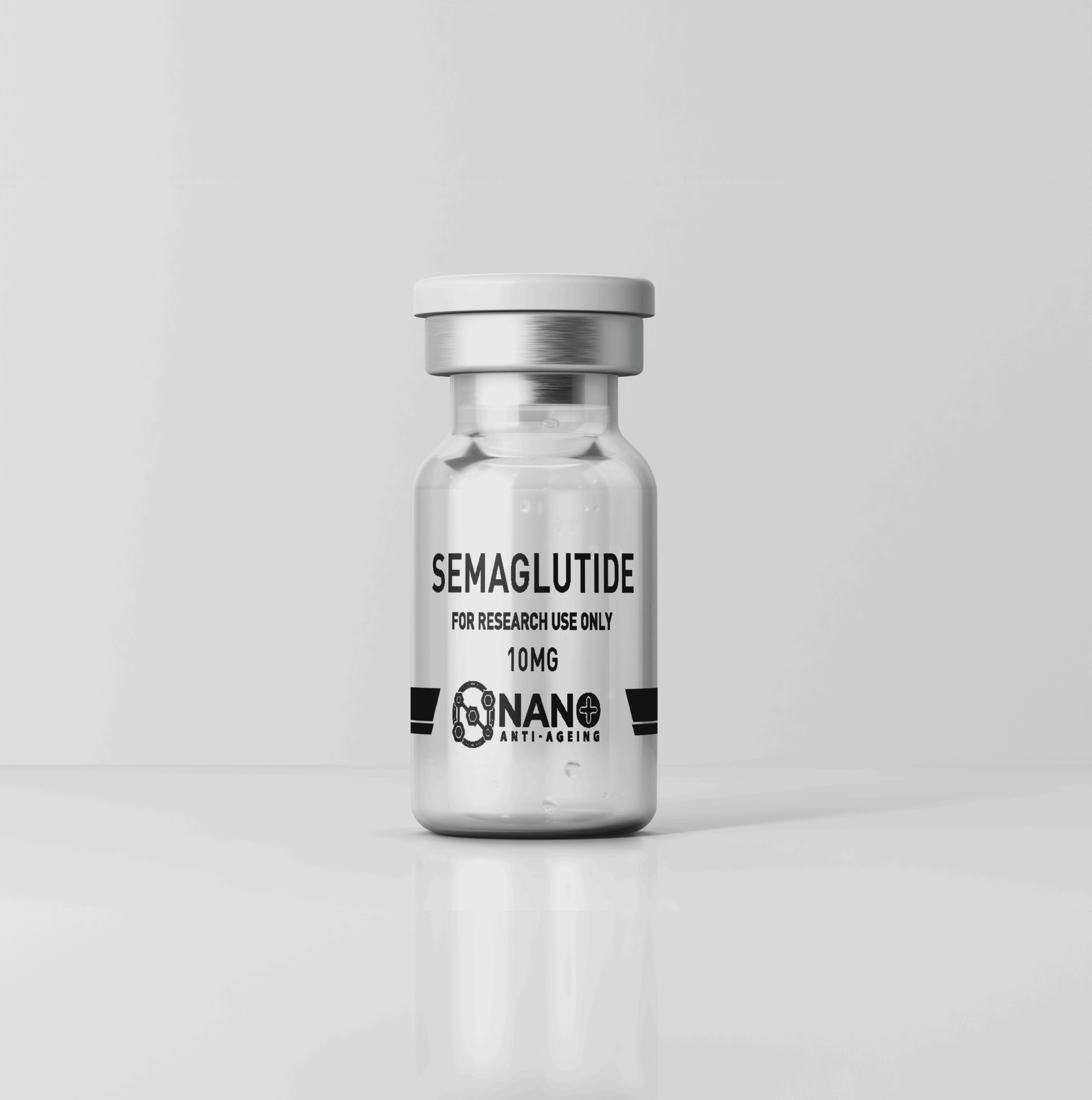
Semaglutide

49.00 $

Out of stock

Semaglutide is a glucagon-like peptide-1 (GLP-1) receptor agonist that has gained significant attention in the fields of obesity and diabetes management due to its potent effects on weight reduction and glycemic control. As a GLP-1 analog, semaglutide enhances insulin secretion and inhibits glucagon release in a glucose-dependent manner, effectively lowering blood glucose levels. Additionally, this agent leads to appetite suppression and increased satiety, making it an attractive option for individuals struggling with obesity or overweight conditions (Wadden et al., 2021; , Salvador et al., 2025).

The mechanism of action of semaglutide is attributed to its binding affinity to the GLP-1 receptor, resulting in prolonged effects due to its unique molecular structure that promotes stability and reduces degradation in circulation (Lau et al., 2015). This property allows for once-weekly subcutaneous administration, enhancing patient compliance compared to more frequently administered alternatives (Christou et al., 2019; . Clinical studies have demonstrated that semaglutide leads to significant weight loss in overweight and obese adults, with reductions often exceeding 10% of baseline body weight Davies et al., 2021), Garvey et al. (2022).

In trials such as the STEP (Semaglutide Treatment Effect in People with Obesity) program, participants receiving semaglutide 2.4 mg reported substantial weight loss in conjunction with behavioral therapy compared to placebo groups Garvey et al. (2022), Qin et al., 2023). For instance, the STEP 1 trial reported a mean weight reduction of approximately 14.9% from baseline with semaglutide 2.4 mg after 68 weeks Garvey et al. (2022). This weight loss is complemented by improvements in cardiovascular risk factors, indicating that semaglutide is not only a weight management tool but also contributes positively to metabolic health (Aroda et al., 2019).

The safety profile of semaglutide is noteworthy; extensive evaluations through randomized controlled trials have shown a low incidence of severe adverse effects, with the predominant side events being gastrointestinal disturbances like nausea and diarrhea Goldenberg & Steen, 2019). In individuals with type 2 diabetes, semaglutide has also demonstrated cardiovascular benefits, providing clinicians with a multifaceted approach to managing both weight and associated metabolic issues (Wadden et al., 2021; , Goldenberg & Steen, 2019).

Thus, semaglutide stands out as an effective pharmacological option in the management of obesity and its related conditions, complementing dietary and lifestyle changes while contributing to significant positive outcomes in individuals needing assistance with weight management (Christou et al., 2019; , Davies et al., 2021).

References:
Aroda, V., Ahmann, A., Cariou, B., Chow, F., Davies, M., Jódar, E., … & Lingvay, I. (2019). Comparative efficacy, safety, and cardiovascular outcomes with once-weekly subcutaneous semaglutide in the treatment of type 2 diabetes: insights from the sustain 1–7 trials. Diabetes & Metabolism, 45(5), 409-418. https://doi.org/10.1016/j.diabet.2018.12.001
Christou, G., Katsiki, N., Blundell, J., Frühbeck, G., & Kiortsis, D. (2019). Semaglutide as a promising antiobesity drug. Obesity Reviews, 20(6), 805-815. https://doi.org/10.1111/obr.12839
Davies, M., Hesse, D., Jensen, C., Lingvay, I., Tadayon, S., Wadden, T., … & Warren, M. (2021). Effect of continued weekly subcutaneous semaglutide vs placebo on weight loss maintenance in adults with overweight or obesity. Jama, 325(14), 1414. https://doi.org/10.1001/jama.2021.3224
Garvey, W., Batterham, R., Bhatta, M., Buscemi, S., Christensen, L., Frías, J., … & Wharton, S. (2022). Two-year effects of semaglutide in adults with overweight or obesity: the step 5 trial. Nature Medicine, 28(10), 2083-2091. https://doi.org/10.1038/s41591-022-02026-4
Goldenberg, R. and Steen, O. (2019). Semaglutide: review and place in therapy for adults with type 2 diabetes. Canadian Journal of Diabetes, 43(2), 136-145. https://doi.org/10.1016/j.jcjd.2018.05.008
Lau, J., Bloch, P., Schäffer, L., Pettersson, I., Spetzler, J., Kofoed, J., … & Kruse, T. (2015). Discovery of the once-weekly glucagon-like peptide-1 (glp-1) analogue semaglutide. Journal of Medicinal Chemistry, 58(18), 7370-7380. https://doi.org/10.1021/acs.jmedchem.5b00726
Qin, W., Yang, J., Deng, C., Ruan, Q., & Duan, K. (2023). Efficacy and safety of semaglutide 2.4 mg for weight loss in overweight or obese adults without diabetes: an updated systematic review and meta‐analysis including the 2‐year step 5 trial. Diabetes Obesity and Metabolism, 26(3), 911-923. https://doi.org/10.1111/dom.15386
Salvador, R., Moutinho, C., Silva, C., Vinha, A., Carvalho, M., & Matos, C. (2025). Semaglutide as a glp-1 agonist: a breakthrough in obesity treatment. Pharmaceuticals, 18(3), 399. https://doi.org/10.3390/ph18030399
Wadden, T., Bailey, T., Billings, L., Davies, M., Frías, J., Koroleva, A., … & Garvey, W. (2021). Effect of subcutaneous semaglutide vs placebo as an adjunct to intensive behavioral therapy on body weight in adults with overweight or obesity. Jama, 325(14), 1403. https://doi.org/10.1001/jama.2021.1831

Semaglutide is a glucagon-like peptide-1 (GLP-1) receptor agonist that has gained significant attention in the fields of obesity and diabetes management due to its potent effects on weight reduction and glycemic control. As a GLP-1 analog, semaglutide enhances insulin secretion and inhibits glucagon release in a glucose-dependent manner, effectively lowering blood glucose levels. Additionally, this agent leads to appetite suppression and increased satiety, making it an attractive option for individuals struggling with obesity or overweight conditions (Wadden et al., 2021; , Salvador et al., 2025).

The mechanism of action of semaglutide is attributed to its binding affinity to the GLP-1 receptor, resulting in prolonged effects due to its unique molecular structure that promotes stability and reduces degradation in circulation (Lau et al., 2015). This property allows for once-weekly subcutaneous administration, enhancing patient compliance compared to more frequently administered alternatives (Christou et al., 2019; . Clinical studies have demonstrated that semaglutide leads to significant weight loss in overweight and obese adults, with reductions often exceeding 10% of baseline body weight Davies et al., 2021), Garvey et al. (2022).

In trials such as the STEP (Semaglutide Treatment Effect in People with Obesity) program, participants receiving semaglutide 2.4 mg reported substantial weight loss in conjunction with behavioral therapy compared to placebo groups Garvey et al. (2022), Qin et al., 2023). For instance, the STEP 1 trial reported a mean weight reduction of approximately 14.9% from baseline with semaglutide 2.4 mg after 68 weeks Garvey et al. (2022). This weight loss is complemented by improvements in cardiovascular risk factors, indicating that semaglutide is not only a weight management tool but also contributes positively to metabolic health (Aroda et al., 2019).

The safety profile of semaglutide is noteworthy; extensive evaluations through randomized controlled trials have shown a low incidence of severe adverse effects, with the predominant side events being gastrointestinal disturbances like nausea and diarrhea Goldenberg & Steen, 2019). In individuals with type 2 diabetes, semaglutide has also demonstrated cardiovascular benefits, providing clinicians with a multifaceted approach to managing both weight and associated metabolic issues (Wadden et al., 2021; , Goldenberg & Steen, 2019).

Thus, semaglutide stands out as an effective pharmacological option in the management of obesity and its related conditions, complementing dietary and lifestyle changes while contributing to significant positive outcomes in individuals needing assistance with weight management (Christou et al., 2019; , Davies et al., 2021).

References:
Aroda, V., Ahmann, A., Cariou, B., Chow, F., Davies, M., Jódar, E., … & Lingvay, I. (2019). Comparative efficacy, safety, and cardiovascular outcomes with once-weekly subcutaneous semaglutide in the treatment of type 2 diabetes: insights from the sustain 1–7 trials. Diabetes & Metabolism, 45(5), 409-418. https://doi.org/10.1016/j.diabet.2018.12.001
Christou, G., Katsiki, N., Blundell, J., Frühbeck, G., & Kiortsis, D. (2019). Semaglutide as a promising antiobesity drug. Obesity Reviews, 20(6), 805-815. https://doi.org/10.1111/obr.12839
Davies, M., Hesse, D., Jensen, C., Lingvay, I., Tadayon, S., Wadden, T., … & Warren, M. (2021). Effect of continued weekly subcutaneous semaglutide vs placebo on weight loss maintenance in adults with overweight or obesity. Jama, 325(14), 1414. https://doi.org/10.1001/jama.2021.3224
Garvey, W., Batterham, R., Bhatta, M., Buscemi, S., Christensen, L., Frías, J., … & Wharton, S. (2022). Two-year effects of semaglutide in adults with overweight or obesity: the step 5 trial. Nature Medicine, 28(10), 2083-2091. https://doi.org/10.1038/s41591-022-02026-4
Goldenberg, R. and Steen, O. (2019). Semaglutide: review and place in therapy for adults with type 2 diabetes. Canadian Journal of Diabetes, 43(2), 136-145. https://doi.org/10.1016/j.jcjd.2018.05.008
Lau, J., Bloch, P., Schäffer, L., Pettersson, I., Spetzler, J., Kofoed, J., … & Kruse, T. (2015). Discovery of the once-weekly glucagon-like peptide-1 (glp-1) analogue semaglutide. Journal of Medicinal Chemistry, 58(18), 7370-7380. https://doi.org/10.1021/acs.jmedchem.5b00726
Qin, W., Yang, J., Deng, C., Ruan, Q., & Duan, K. (2023). Efficacy and safety of semaglutide 2.4 mg for weight loss in overweight or obese adults without diabetes: an updated systematic review and meta‐analysis including the 2‐year step 5 trial. Diabetes Obesity and Metabolism, 26(3), 911-923. https://doi.org/10.1111/dom.15386
Salvador, R., Moutinho, C., Silva, C., Vinha, A., Carvalho, M., & Matos, C. (2025). Semaglutide as a glp-1 agonist: a breakthrough in obesity treatment. Pharmaceuticals, 18(3), 399. https://doi.org/10.3390/ph18030399
Wadden, T., Bailey, T., Billings, L., Davies, M., Frías, J., Koroleva, A., … & Garvey, W. (2021). Effect of subcutaneous semaglutide vs placebo as an adjunct to intensive behavioral therapy on body weight in adults with overweight or obesity. Jama, 325(14), 1403. https://doi.org/10.1001/jama.2021.1831

Reviews

There are no reviews yet.

Be the first to review “Semaglutide”

Your email address will not be published. Required fields are marked *

Related Product

0
    Your Cart
    Your cart is emptyReturn to Shop
    Scroll to Top
    Generic selectors
    Exact matches only
    Search in title
    Search in content
    Post Type Selectors