
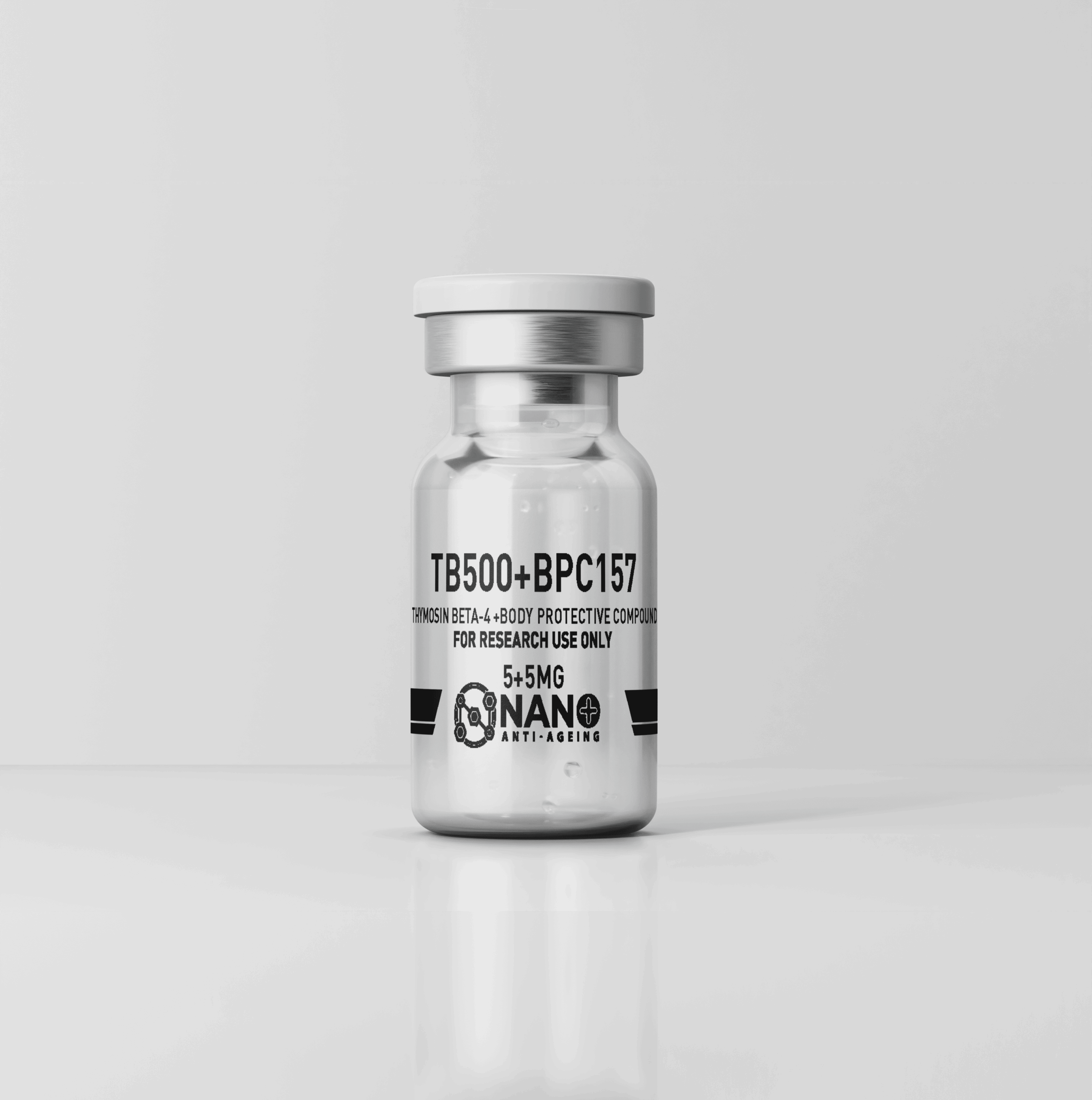
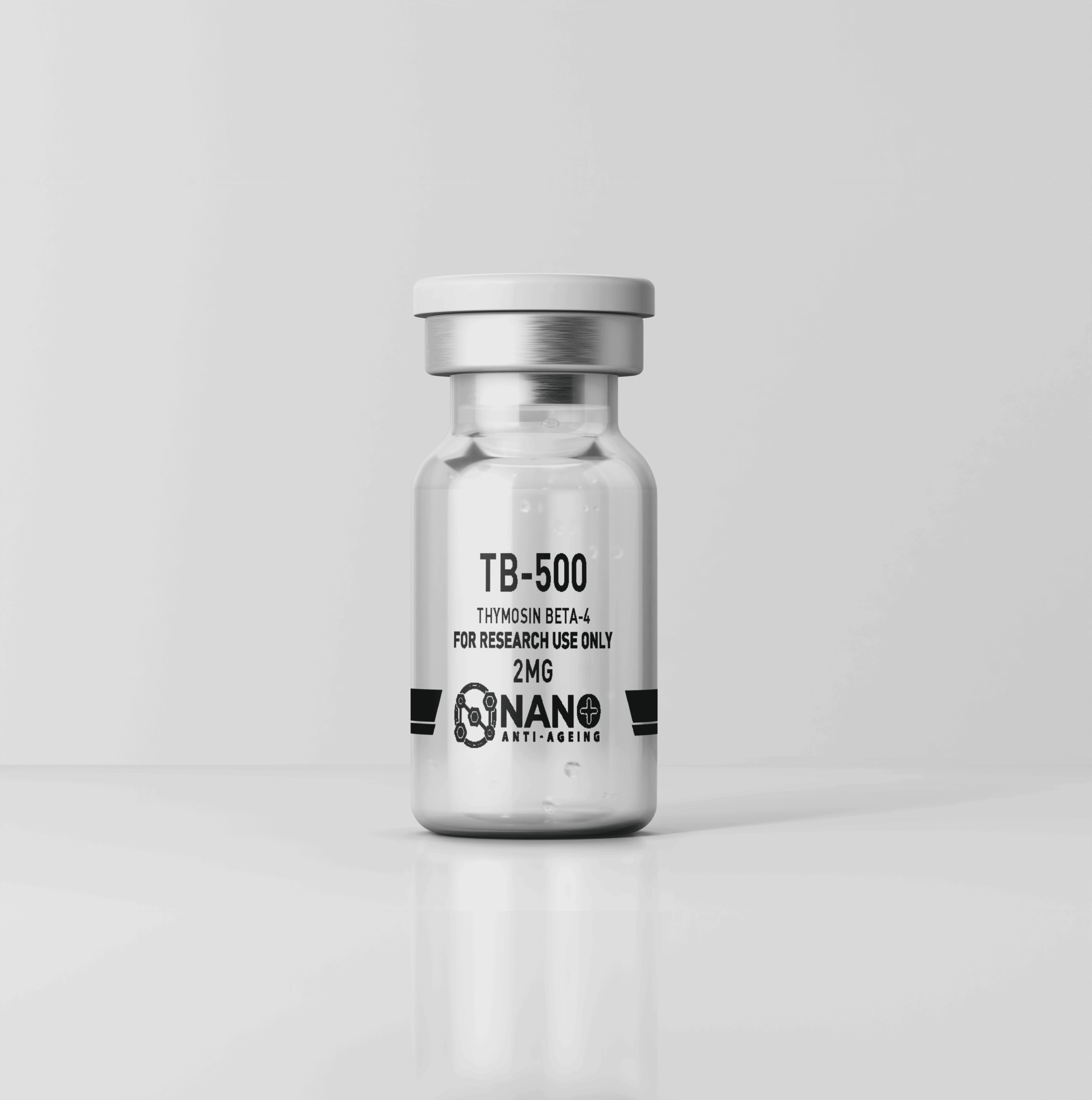
The use of peptides such as TB-500 (also known as Thymosin Beta 4) and BPC-157 is garnering attention in research for their combined effects on healing and recovery in various medical contexts. Thymosin Beta 4 (Tβ4) is known to enhance wound healing by promoting cell migration, survival, and angiogenesis, particularly in skin and cardiac tissues (Raheem et al., 2024). BPC-157, a stable peptide derived from gastric juice, exhibits significant regenerative properties, particularly in connective tissues, including tendons (Krivić et al., 2006; Starešinić et al., 2003). The synergistic benefits of TB-500 and BPC-157 in terms of tissue repair and inflammation response remain under investigation but show promising potential based on available studies.
Both peptides have mechanisms that may complement each other in healing processes. BPC-157 has demonstrated the ability to modulate nitric oxide (NO) synthesis, critical in wound healing through roles in angiogenesis and inflammation modulation (Masnec et al., 2015; Cerovečki et al., 2010). Research shows that BPC-157 can stimulate the phosphorylation of extracellular signal-regulated kinases (ERK1/2), which are key players in cell growth and migration, important in healing contexts, especially after tendon injuries (Drmić et al., 2017; Chang et al., 2011). On the other hand, Tβ4 also supports a vascular response conducive to healing, facilitating the recruitment of various cell types to damaged tissues (Raheem et al., 2024).
In the context of tendon healing, BPC-157 accelerates the functional recovery of transected tendons in rat models, highlighting the potential for clinical applications in sports medicine and rehabilitation (Krivić et al., 2006; Chang et al., 2011). TB-500 has been shown to enhance the expression of specific growth factors in tendon fibroblasts, further supporting its use alongside BPC-157 for maximizing repair efficacy (Chang et al., 2014). The intrinsic attributes of these peptides suggest that their combined application could enhance recovery pathways across multiple tissue types, particularly in complex situations involving tendon-to-bone healing.
Moreover, the use of both peptides offers prospects in counteracting treatments that may worsen healing, such as NSAID-induced injuries, where BPC-157 shows protective effects (Ilić et al., 2011; Kliček et al., 2008). Coupled with TB-500’s anti-inflammatory properties (Raheem et al., 2024), this combination could provide a robust therapeutic approach to mitigate healing complications in patients requiring surgical intervention or undergoing rehabilitation from injuries.
Recent examinations into the effects of these peptides have continued to validate their efficacy in promoting wound healing, indicating that their administration could lead to quicker recovery times and more favorable outcomes in both surgical and trauma contexts. As the integration of both TB-500 and BPC-157 into treatment regimens is considered, further controlled clinical studies are essential to elucidate their comprehensive roles, mechanisms, and optimal delivery methods in enhancing recovery
References:
Cerovečki, T., Bojanić, I., Brčić, L., Radić, B., Vukoja, I., Seiwerth, S., … & Sikirić, P. (2010). Pentadecapeptide bpc 157 (pl 14736) improves ligament healing in the rat. Journal of Orthopaedic Research®, 28(9), 1155-1161. https://doi.org/10.1002/jor.21107
Chang, C., Tsai, W., Hsu, Y., & Pang, J. (2014). Pentadecapeptide bpc 157 enhances the growth hormone receptor expression in tendon fibroblasts. Molecules, 19(11), 19066-19077. https://doi.org/10.3390/molecules191119066
Chang, C., Tsai, W., Lin, M., Hsu, Y., & Pang, J. (2011). The promoting effect of pentadecapeptide bpc 157 on tendon healing involves tendon outgrowth, cell survival, and cell migration. Journal of Applied Physiology, 110(3), 774-780. https://doi.org/10.1152/japplphysiol.00945.2010
Drmić, D., Kolenc, D., Ilić, S., Bauk, L., Sever, M., Sever, A., … & Sikirić, P. (2017). Celecoxib-induced gastrointestinal, liver and brain lesions in rats, counteraction by bpc 157 or l-arginine, aggravation by l-name. World Journal of Gastroenterology, 23(29), 5304. https://doi.org/10.3748/wjg.v23.i29.5304
Ilić, S., Drmić, D., Franjić, S., Kolenc, D., Ćorić, M., Brčić, L., … & Sikirić, P. (2011). Pentadecapeptide bpc 157 and its effects on a nsaid toxicity model: diclofenac-induced gastrointestinal, liver, and encephalopathy lesions. Life Sciences, 88(11-12), 535-542. https://doi.org/10.1016/j.lfs.2011.01.015
Kliček, R., Sever, M., Radić, B., Drmić, D., Kocman, I., Zoričić, I., … & Sikirić, P. (2008). Pentadecapeptide bpc 157, in clinical trials as a therapy for inflammatory bowel disease (pl14736), is effective in the healing of colocutaneous fistulas in rats: role of the nitric oxide-system. Journal of Pharmacological Sciences, 108(1), 7-17. https://doi.org/10.1254/jphs.fp0072161
Krivić, A., Anić, T., Seiwerth, S., Huljev, D., & Sikirić, P. (2006). Achilles detachment in rat and stable gastric pentadecapeptide bpc 157: promoted tendon‐to‐bone healing and opposed corticosteroid aggravation. Journal of Orthopaedic Research®, 24(5), 982-989. https://doi.org/10.1002/jor.20096
Masnec, S., Kokot, A., Zlatar, M., Kalauz, M., Kunjko, K., Radić, B., … & Sikirić, P. (2015). Perforating corneal injury in rat and pentadecapeptide bpc 157. Experimental Eye Research, 136, 9-15. https://doi.org/10.1016/j.exer.2015.04.016
Raheem, N., Salman, A., & Jawad, M. (2024). Histological evaluation of effect of thymosin beta 4 on wound healing of skin. European Journal of Dental and Oral Health, 5(3), 1-7. https://doi.org/10.24018/ejdent.2024.5.3.330
Starešinić, M., Šebečić, B., Patrlj, L., Jadrijević, S., Suknaić, S., Perović, D., … & Sikirić, P. (2003). Gastric pentadecapeptide bpc 157 accelerates healing of transected rat achilles tendon and in vitro stimulates tendocytes growth. Journal of Orthopaedic Research®, 21(6), 976-983. https://doi.org/10.1016/s0736-0266(03)00110-4



Reviews
There are no reviews yet.