
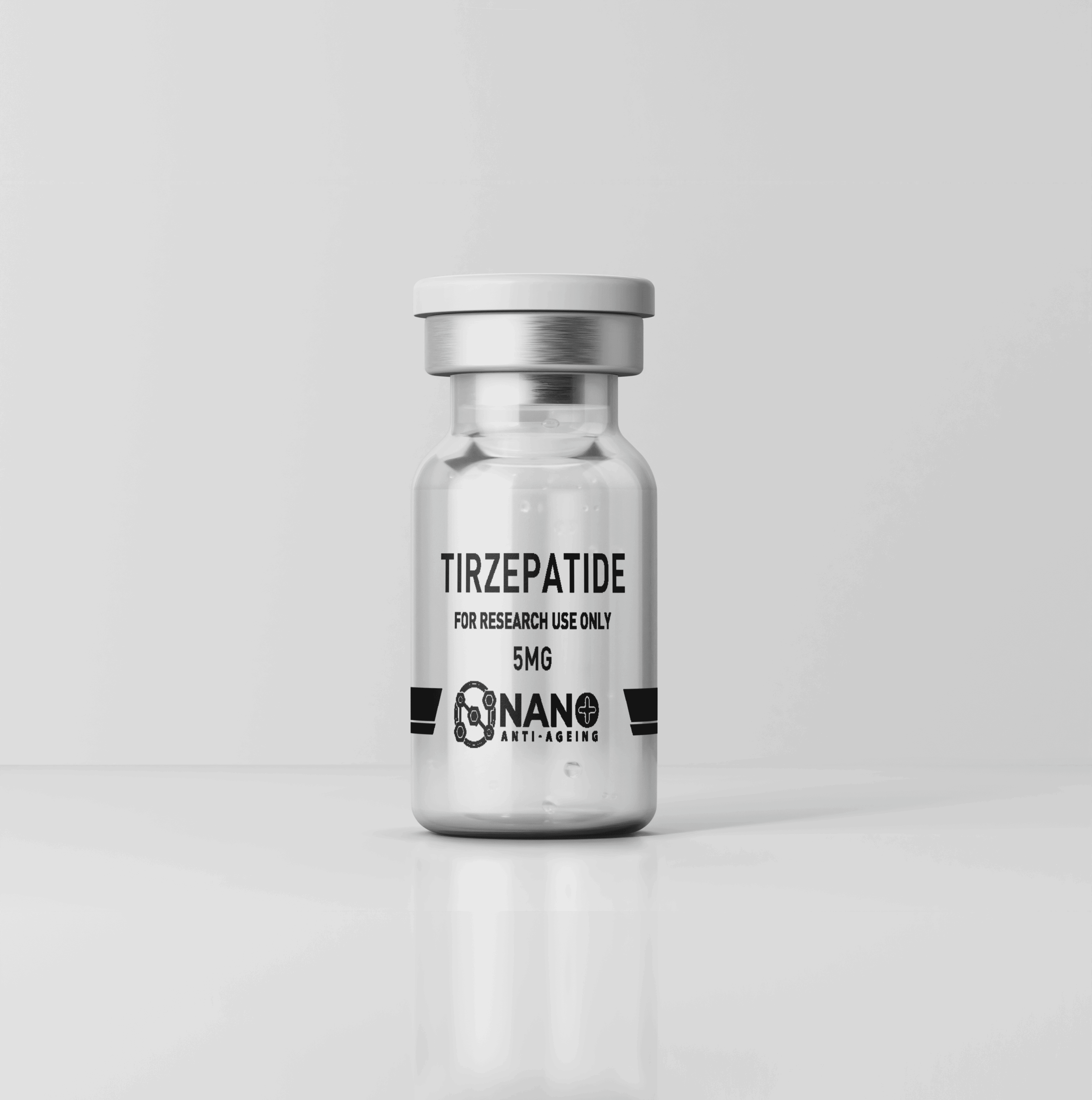
Tirzepatide is a novel therapeutic agent notable for being the first dual agonist targeting both the glucose-dependent insulinotropic polypeptide (GIP) and glucagon-like peptide-1 (GLP-1) receptors. This innovative pharmacological approach leverages the incretin effect, enhancing insulin secretion in response to meals while simultaneously inhibiting glucagon release, thereby contributing to improved glycemic control and weight management in individuals with Type 2 diabetes mellitus (T2DM) (Thomas et al., 2020; Block et al., 2022).
The unique mechanism of tirzepatide allows it to elicit a multifaceted physiological response. It has been shown to enhance insulin sensitivity and stimulate greater insulin secretion compared to monotherapy with GLP-1 receptor agonists, resulting in significant reductions in fasting insulin levels and indices of insulin resistance, such as HOMA-IR (Thomas et al., 2020; Samms et al., 2021). For example, randomized controlled trials indicate that tirzepatide significantly lowers HbA1c levels and promotes weight loss more effectively than traditional GLP-1 receptor agonists, demonstrating a comprehensive approach to T2DM management (Le et al., 2024; Frías et al., 2021; Fisman & Tenenbaum, 2021; .
Clinical investigations, particularly the Phase 3 SURPASS trials, have highlighted tirzepatide’s efficacy in achieving substantial weight loss, with reports indicating reductions in body weight that surpass those seen with other GLP-1 receptor agonists (Karagiannis et al., 2022; Ghandour et al., 2025; Block et al., 2022). Research has shown that patients treated with tirzepatide exhibit weight loss averaging around 15% of baseline body weight, enhanced lipid profiles, and improvements in cardiometabolic health indicators (Shi et al., 2023; Fisman & Tenenbaum, 2021; Jastreboff et al., 2023).
Safety profiles for tirzepatide have been characterized in clinical studies, with gastrointestinal effects being the most frequently reported adverse events, akin to those experienced with GLP-1 agonist therapies. Importantly, tirzepatide demonstrates a robust safety profile that allows it to be utilized in daily practice for managing patients with T2DM and obesity Block et al., 2022)Jastreboff et al., 2023). Given its dual action, tirzepatide mitigates hyperglycemia and aids in addressing the comorbidities commonly associated with T2DM, such as obesity, which is a significant risk factor for the development of insulin resistance and diabetes-related complications (Iqbal et al., 2024; Alicic & Neumiller, 2023).
The pharmacotherapeutic landscape is quickly evolving, with tirzepatide representing a key advancement in incretin-based therapies that might also benefit patients beyond T2DM, as ongoing studies explore its implications in chronic weight management and other metabolic disorders (El et al., 2023; Block et al., 2022).
In summary, tirzepatide’s dual receptor agonism offers a promising avenue for enhancing glycemic control and facilitating weight loss in individuals with T2DM. Its unique pharmacodynamic profile can significantly improve patient outcomes, addressing both the metabolic dysfunctions of diabetes and obesity concurrently.
References:
Alicic, R. and Neumiller, J. (2023). Incretin therapies for patients with type 2 diabetes and chronic kidney disease. Journal of Clinical Medicine, 13(1), 201. https://doi.org/10.3390/jcm13010201
Block, C., Bailey, C., Wysham, C., Hemmingway, A., Allen, S., & Peleshok, J. (2022). Tirzepatide for the treatment of adults with type 2 diabetes: an endocrine perspective. Diabetes Obesity and Metabolism, 25(1), 3-17. https://doi.org/10.1111/dom.14831
El, K., Douros, J., Willard, F., Novikoff, A., Sargsyan, A., Pérez–Tilve, D., … & Campbell, J. (2023). The incretin co-agonist tirzepatide requires gipr for hormone secretion from human islets. Nature Metabolism, 5(6), 945-954. https://doi.org/10.1038/s42255-023-00811-0
Fisman, E. and Tenenbaum, A. (2021). The dual glucose-dependent insulinotropic polypeptide (gip) and glucagon-like peptide-1 (glp-1) receptor agonist tirzepatide: a novel cardiometabolic therapeutic prospect. Cardiovascular Diabetology, 20(1). https://doi.org/10.1186/s12933-021-01412-5
Frías, J., Davies, M., Rosenstock, J., Manghi, F., Landó, L., Bergman, B., … & Brown, K. (2021). Tirzepatide versus semaglutide once weekly in patients with type 2 diabetes. New England Journal of Medicine, 385(6), 503-515. https://doi.org/10.1056/nejmoa2107519
Ghandour, S., Akbarpoor, F., Malik, M., Kalsekar, M., Vidha, S., Bhatia, P., … & Alsaeed, M. (2025). Effect of tirzepatide on weight and metabolism in a multiethnic cohort with and without diabetes. Diabetes Obesity and Metabolism, 27(5), 2891-2895. https://doi.org/10.1111/dom.16287
Iqbal, P., Maadarani, O., & Bitar, Z. (2024). Tirzepatide-induced ketoacidosis in non-diabetic patients. European Journal of Case Reports in Internal Medicine, 11(4). https://doi.org/10.12890/2024_004357
Jastreboff, A., Roux, C., Sattar, N., Mao, H., Zhang, S., Ahmad, N., … & Jones, T. (2023). Tirzepatide once weekly for the treatment of obesity in people with type 2 diabetes (surmount-2): a double-blind, randomised, multicentre, placebo-controlled, phase 3 trial. The Lancet, 402(10402), 613-626. https://doi.org/10.1016/s0140-6736(23)01200-x
Karagiannis, T., Avgerinos, I., Liakos, A., Prato, S., Matthews, D., Τσάπας, Α., … & Bekiari, E. (2022). Management of type 2 diabetes with the dual gip/glp-1 receptor agonist tirzepatide: a systematic review and meta-analysis. Diabetologia, 65(8), 1251-1261. https://doi.org/10.1007/s00125-022-05715-4
Le, T., Minh, L., Devi, P., Islam, N., & Sachmechi, I. (2024). A case report of systemic allergic reaction to the dual glucose-dependent insulinotropic polypeptide/glucagon-like peptide-1 receptor agonist tirzepatide. Cureus. https://doi.org/10.7759/cureus.51460
Samms, R., Christe, M., Collins, K., Pirro, V., Droz, B., Holland, A., … & Roell, W. (2021). Gipr agonism mediates weight-independent insulin sensitization by tirzepatide in obese mice. Journal of Clinical Investigation, 131(12). https://doi.org/10.1172/jci146353
Shi, Q., Nong, K., Vandvik, P., Guyatt, G., Schnell, O., Rydén, L., … & Li, S. (2023). Benefits and harms of drug treatment for type 2 diabetes: systematic review and network meta-analysis of randomised controlled trials. BMJ, 381, e074068. https://doi.org/10.1136/bmj-2022-074068
Thomas, M., Nikooienejad, A., Bray, R., Cui, X., Wilson, J., Duffin, K., … & Robins, D. (2020). Dual gip and glp-1 receptor agonist tirzepatide improves beta-cell function and insulin sensitivity in type 2 diabetes. The Journal of Clinical Endocrinology & Metabolism, 106(2), 388-396. https://doi.org/10.1210/clinem/dgaa863



Reviews
There are no reviews yet.