GHRP-2

50.00 $

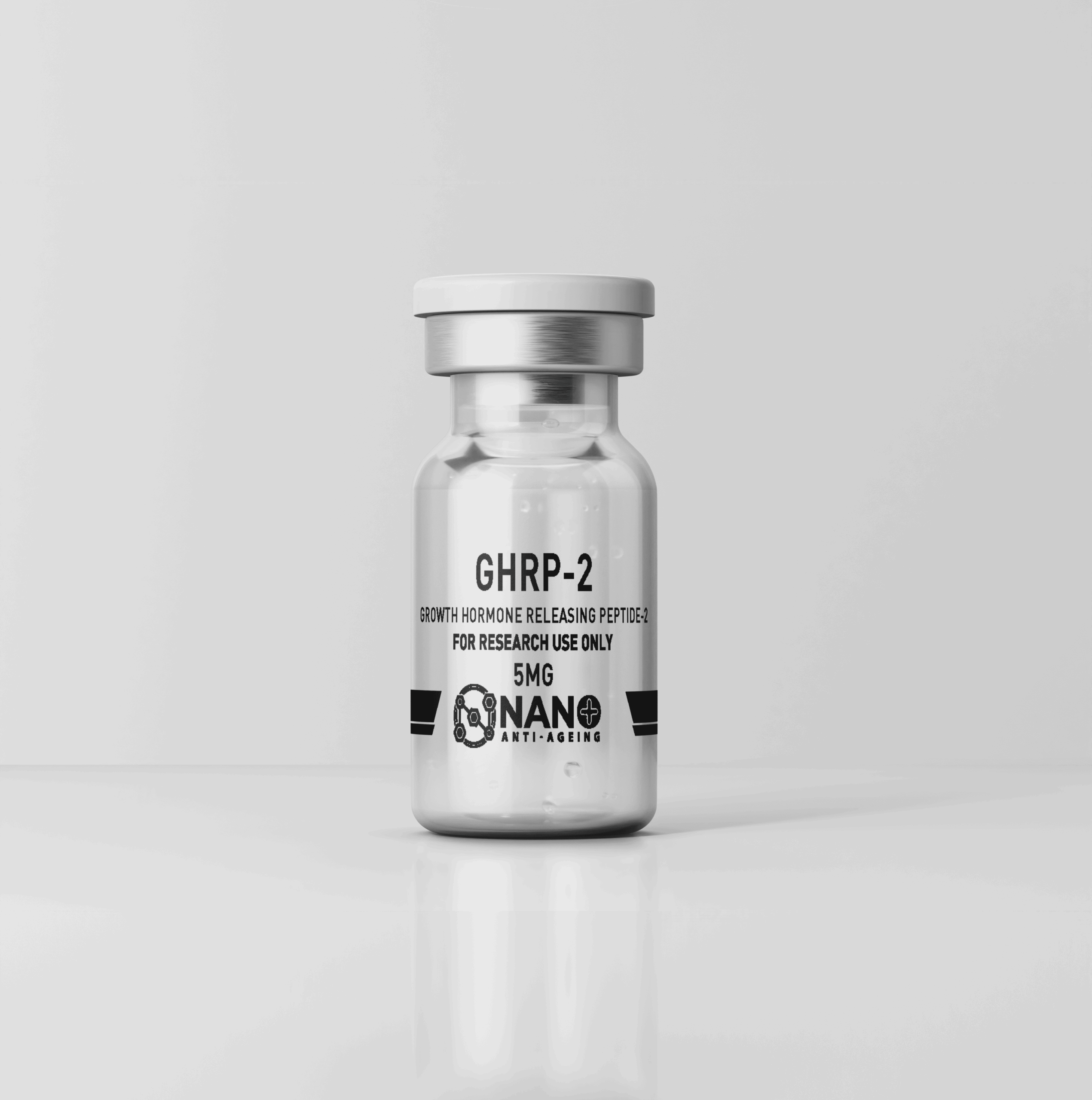
Growth Hormone-Releasing Peptide-2 (GHRP-2) is a synthetic hexapeptide that acts as a potent growth hormone (GH) secretagogue. Structurally, GHRP-2 consists of six amino acids, specifically formed as His-DTrp-Ala-Trp-D-Phe-Lys-NH2. Its primary function is to stimulate the release of GH from the anterior pituitary gland, operating mainly through the growth hormone secretagogue receptor (GHS-R) ((Pihoker et al., 1997; , Alba et al. (2005)). Importantly, GHRP-2 enhances GH release independently of GHRH’s stimulation mechanisms, distinguishing its action from that of Growth Hormone-Releasing Hormone (GHRH) (Alba et al. (2005)).

Research has elucidated various physiological effects associated with GHRP-2. In addition to stimulating GH secretion, it influences a range of biological pathways interconnected with metabolic functions and energy homeostasis (Giordano et al. (2014)). Activation of GHS-R by GHRP-2 leads to downstream effects, including the modulation of signaling pathways involving cyclic AMP (cAMP) and protein kinase C (PKC), which are crucial for maintaining cellular functions such as growth and metabolism (Chao et al. (2016), Xu et al., 2002)). Furthermore, GHRP-2 has demonstrated protective effects against inflammation specifically in human ovarian granulosa cells, where it attenuated PKC-induced inflammatory responses (Chao et al. (2016)).

As a GH secretagogue, GHRP-2 has been shown to be effective in various contexts. Clinical trials have researched its use in children with growth deficiencies, underscoring its efficacy in stimulating pituitary production of GH, demonstrating comparable actions to those of endogenous secretagogues ((Bercu & Walker, 1997; , Mericq et al., 1998)). Additionally, GHRP-2 has been reported to increase food intake, potentially linked to its action on receptors involved in appetite regulation, establishing a connection between GH release and hunger responses (Haruta et al. (2015)).

In summary, GHRP-2 plays a crucial role in the regulation of GH secretion, with a multifaceted influence on metabolic processes through its action on specific receptors in the hypothalamus and pituitary gland. This positions GHRP-2 as a significant peptide in research focused on growth disorders and various metabolic conditions.

References:
Alba, M., Fintini, D., Bowers, C., Parlow, A., & Salvatori, R. (2005). Effects of long-term treatment with growth hormone-releasing peptide-2 in the ghrh knockout mouse. Ajp Endocrinology and Metabolism, 289(5), E762-E767. https://doi.org/10.1152/ajpendo.00203.2005
Bercu, B. and Walker, R. (1997). Growth hormone secretagogues in children with altered growth. Acta Paediatrica, 86(S423), 102-106. https://doi.org/10.1111/j.1651-2227.1997.tb18385.x
Chao, Y., Sun, D., Peng, Y., & Wu, Y. (2016). Growth hormone releasing peptide-2 attenuation of protein kinase c-induced inflammation in human ovarian granulosa cells. International Journal of Molecular Sciences, 17(8), 1359. https://doi.org/10.3390/ijms17081359
Giordano, C., MarchiÃ, M., Timofeeva, E., & Biagini, G. (2014). Neuroactive peptides as putative mediators of antiepileptic ketogenic diets. Frontiers in Neurology, 5. https://doi.org/10.3389/fneur.2014.00063
Haruta, I., Fuku, Y., Kinoshita, K., Yoneda, K., Morinaga, A., Amitani, M., … & Inui, A. (2015). One-year intranasal application of growth hormone releasing peptide-2 improves body weight and hypoglycemia in a severely emaciated anorexia nervosa patient. Journal of Cachexia Sarcopenia and Muscle, 6(3), 237-241. https://doi.org/10.1002/jcsm.12028
Mericq, V., Cassorla, F., Salazar, T., Ávila, A., Íñiguez, G., Bowers, C., … & Merriam, G. (1998). Effects of eight months treatment with graded doses of a growth hormone (gh)-releasing peptide in gh-deficient children1. The Journal of Clinical Endocrinology & Metabolism, 83(7), 2355-2360. https://doi.org/10.1210/jcem.83.7.4969
Pihoker, C., Badger, T., Ga, R., & Bowers, C. (1997). Treatment effects of intranasal growth hormone releasing peptide-2 in children with short stature. Journal of Endocrinology, 155(1), 79-86. https://doi.org/10.1677/joe.0.1550079
Xu, R., Zhao, Y., & Chen, C. (2002). Growth hormone‐releasing peptide‐2 reduces inward rectifying k+ currents via a pka‐camp‐mediated signalling pathway in ovine somatotropes. The Journal of Physiology, 545(2), 421-433. https://doi.org/10.1113/jphysiol.2002.030916

Growth Hormone-Releasing Peptide-2 (GHRP-2) is a synthetic hexapeptide that acts as a potent growth hormone (GH) secretagogue. Structurally, GHRP-2 consists of six amino acids, specifically formed as His-DTrp-Ala-Trp-D-Phe-Lys-NH2. Its primary function is to stimulate the release of GH from the anterior pituitary gland, operating mainly through the growth hormone secretagogue receptor (GHS-R) ((Pihoker et al., 1997; , Alba et al. (2005)). Importantly, GHRP-2 enhances GH release independently of GHRH’s stimulation mechanisms, distinguishing its action from that of Growth Hormone-Releasing Hormone (GHRH) (Alba et al. (2005)).

Research has elucidated various physiological effects associated with GHRP-2. In addition to stimulating GH secretion, it influences a range of biological pathways interconnected with metabolic functions and energy homeostasis (Giordano et al. (2014)). Activation of GHS-R by GHRP-2 leads to downstream effects, including the modulation of signaling pathways involving cyclic AMP (cAMP) and protein kinase C (PKC), which are crucial for maintaining cellular functions such as growth and metabolism (Chao et al. (2016), Xu et al., 2002)). Furthermore, GHRP-2 has demonstrated protective effects against inflammation specifically in human ovarian granulosa cells, where it attenuated PKC-induced inflammatory responses (Chao et al. (2016)).

As a GH secretagogue, GHRP-2 has been shown to be effective in various contexts. Clinical trials have researched its use in children with growth deficiencies, underscoring its efficacy in stimulating pituitary production of GH, demonstrating comparable actions to those of endogenous secretagogues ((Bercu & Walker, 1997; , Mericq et al., 1998)). Additionally, GHRP-2 has been reported to increase food intake, potentially linked to its action on receptors involved in appetite regulation, establishing a connection between GH release and hunger responses (Haruta et al. (2015)).

In summary, GHRP-2 plays a crucial role in the regulation of GH secretion, with a multifaceted influence on metabolic processes through its action on specific receptors in the hypothalamus and pituitary gland. This positions GHRP-2 as a significant peptide in research focused on growth disorders and various metabolic conditions.

References:
Alba, M., Fintini, D., Bowers, C., Parlow, A., & Salvatori, R. (2005). Effects of long-term treatment with growth hormone-releasing peptide-2 in the ghrh knockout mouse. Ajp Endocrinology and Metabolism, 289(5), E762-E767. https://doi.org/10.1152/ajpendo.00203.2005
Bercu, B. and Walker, R. (1997). Growth hormone secretagogues in children with altered growth. Acta Paediatrica, 86(S423), 102-106. https://doi.org/10.1111/j.1651-2227.1997.tb18385.x
Chao, Y., Sun, D., Peng, Y., & Wu, Y. (2016). Growth hormone releasing peptide-2 attenuation of protein kinase c-induced inflammation in human ovarian granulosa cells. International Journal of Molecular Sciences, 17(8), 1359. https://doi.org/10.3390/ijms17081359
Giordano, C., MarchiÃ, M., Timofeeva, E., & Biagini, G. (2014). Neuroactive peptides as putative mediators of antiepileptic ketogenic diets. Frontiers in Neurology, 5. https://doi.org/10.3389/fneur.2014.00063
Haruta, I., Fuku, Y., Kinoshita, K., Yoneda, K., Morinaga, A., Amitani, M., … & Inui, A. (2015). One-year intranasal application of growth hormone releasing peptide-2 improves body weight and hypoglycemia in a severely emaciated anorexia nervosa patient. Journal of Cachexia Sarcopenia and Muscle, 6(3), 237-241. https://doi.org/10.1002/jcsm.12028
Mericq, V., Cassorla, F., Salazar, T., Ávila, A., Íñiguez, G., Bowers, C., … & Merriam, G. (1998). Effects of eight months treatment with graded doses of a growth hormone (gh)-releasing peptide in gh-deficient children1. The Journal of Clinical Endocrinology & Metabolism, 83(7), 2355-2360. https://doi.org/10.1210/jcem.83.7.4969
Pihoker, C., Badger, T., Ga, R., & Bowers, C. (1997). Treatment effects of intranasal growth hormone releasing peptide-2 in children with short stature. Journal of Endocrinology, 155(1), 79-86. https://doi.org/10.1677/joe.0.1550079
Xu, R., Zhao, Y., & Chen, C. (2002). Growth hormone‐releasing peptide‐2 reduces inward rectifying k+ currents via a pka‐camp‐mediated signalling pathway in ovine somatotropes. The Journal of Physiology, 545(2), 421-433. https://doi.org/10.1113/jphysiol.2002.030916

Reviews

There are no reviews yet.

Be the first to review “GHRP-2”

Your email address will not be published. Required fields are marked *

Related Product

0
    Your Cart
    Your cart is emptyReturn to Shop
    Scroll to Top
    Generic selectors
    Exact matches only
    Search in title
    Search in content
    Post Type Selectors